Search
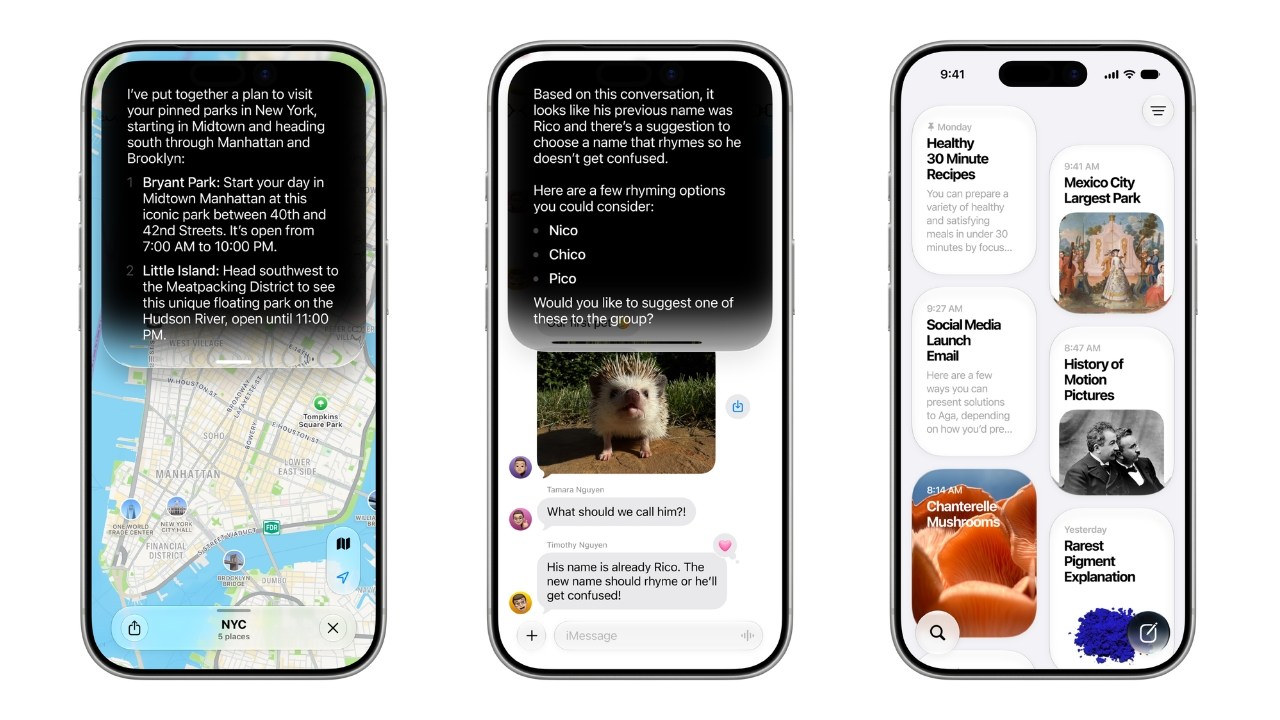
Apple Intelligence Is Coming to China With iOS 27.3, Backed by Alibaba
After more than two years of waiting, Apple says Apple Intelligence will reach iPhone users in China in December, with Alibaba's Qwen model powering parts of Siri.

Apple's first touchscreen MacBook Pro brings OLED and Dynamic Island
The new PROLED XDR display responds to touch, the notch is gone and Dynamic Island takes its place. Prices start at $2,899.
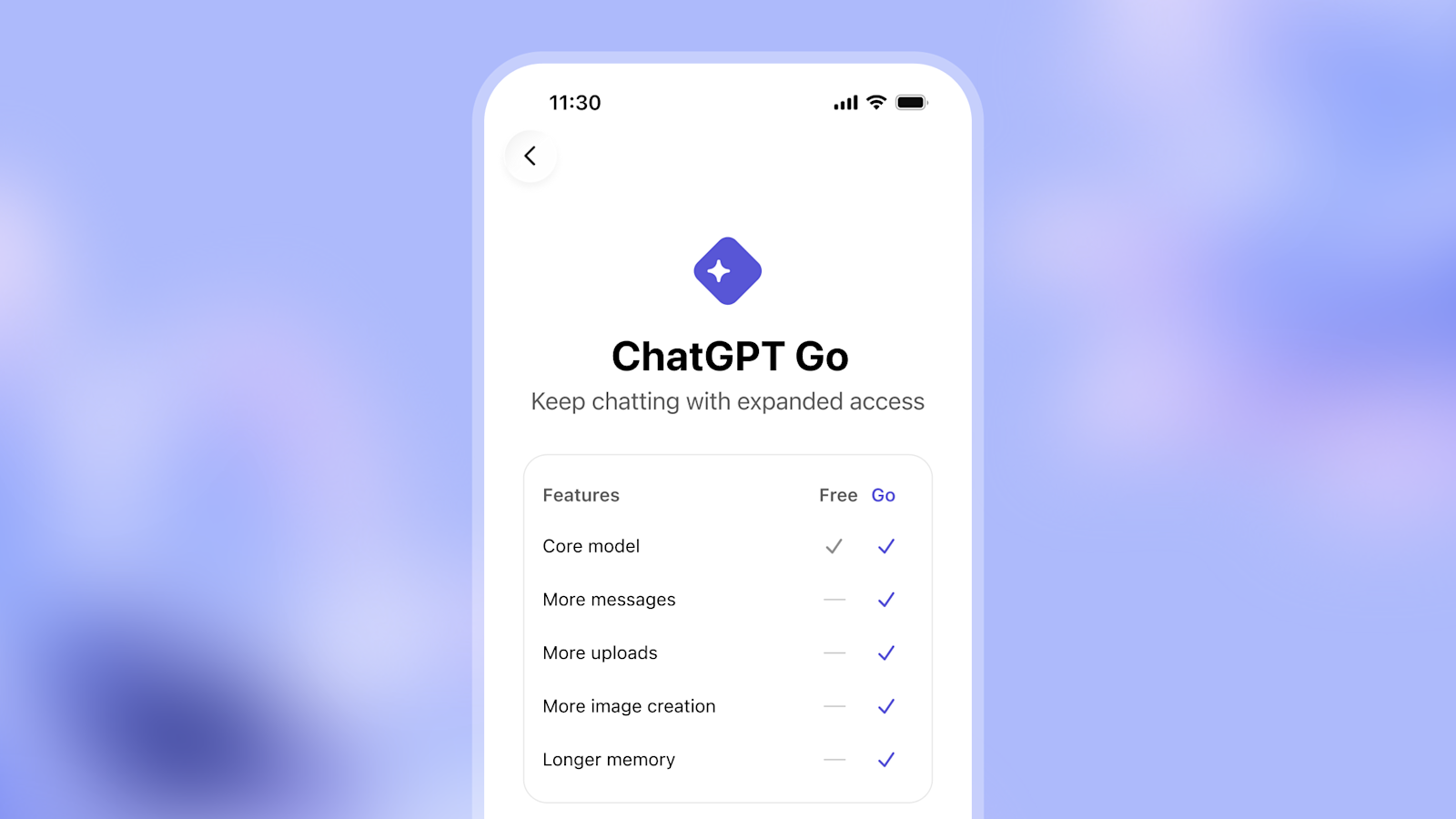
Report: OpenAI lowers funding target to $20 billion
Per the Financial Times, OpenAI cut its new round's target from $30 billion to $20 billion, a sign investors are growing wary of massive AI spending.
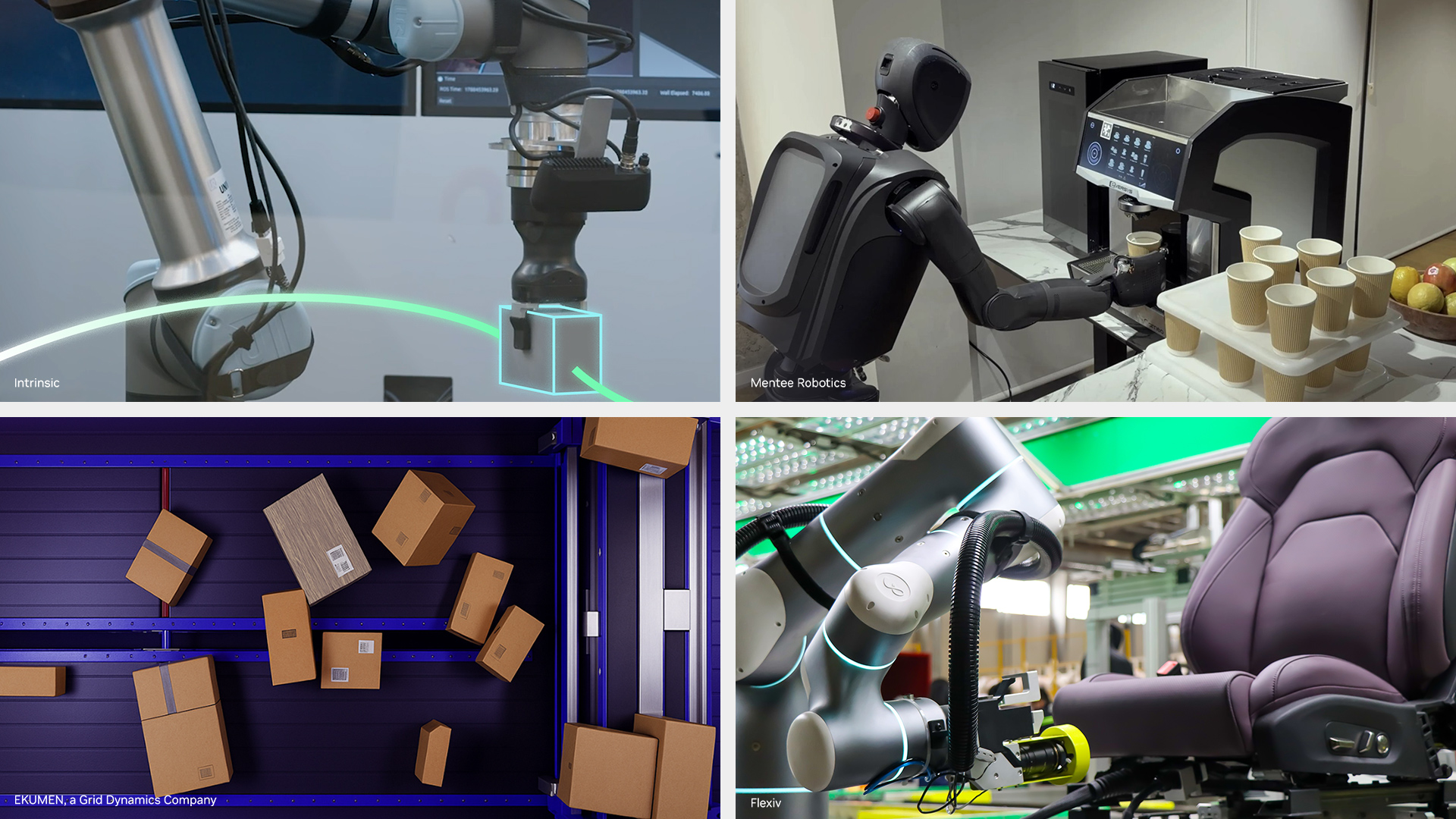
NVIDIA releases Isaac ROS 5.0 with AI-assisted robotics development workflows
The September 22 release combines GPU-accelerated ROS packages with new development workflows. Coding assistance and verification of a physical machine remain distinct stages.
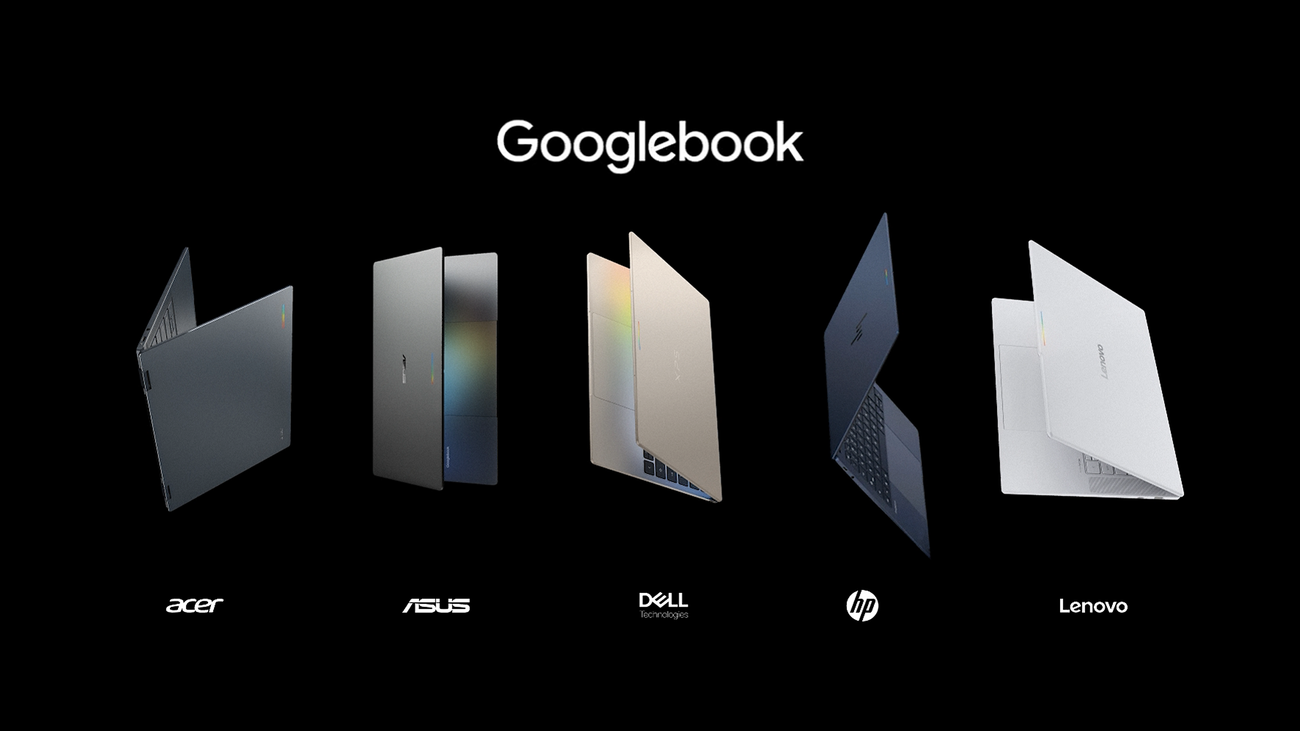
Google opens preorders for five Googlebook models starting at $899
The September 21 announcement sets out the hardware lineup and early-October retail dates. The starting price does not describe every configuration or establish local pricing.

Google says its technologies cover over 300 languages. What does that mean for Badini Kurdish?
This September 20 report examines the company's September 15 announcement: ecosystem coverage is different from Translate's language list and from demonstrated quality in a particular dialect.
GitHub makes Actions workflow execution protections generally available
The September 17 release adds workflow-file targeting, policy insights and API management, helping teams distinguish code contribution from permission to run automation.
Mozilla brings Mistral to Firefox Smart Window as its beta expands to France
The September 16 partnership adds Mistral Small 4 to the browser's AI experience, while model choice and geographic availability remain important conditions.
Gemini 3.8 Live reaches developers with conversation that continues during tool calls
Google's September 15 release adds new voice-model options to its API. Fluent dialogue and a correctly completed application task remain separate measures of success.
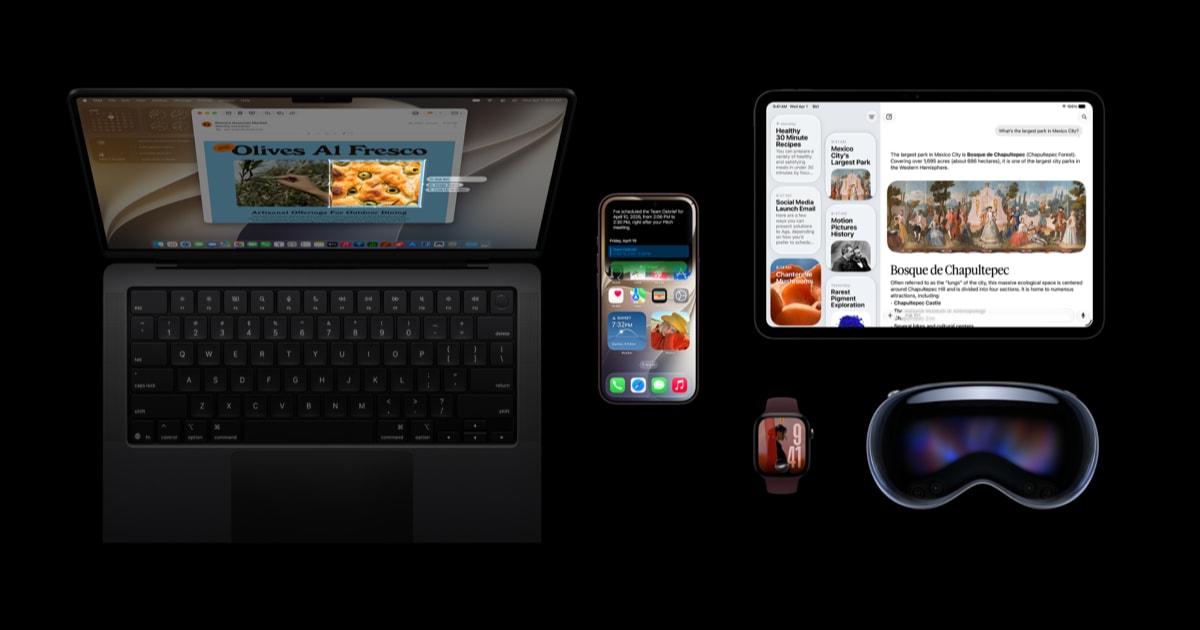
Apple releases iOS 27 and its new platforms as Siri AI begins an English beta
The September 14 rollout brings new system software and AI capabilities, but device, language and regional conditions determine which features a user actually receives.
Chrome 153 starts a two-week release cycle: what changes for web teams?
Google activated the move from four-week to two-week releases on September 8. It changes browser delivery cadence, rather than automatically changing every website.

Sony refreshes three headphone options: ANC and call noise reduction are different jobs
WH-1000XM4C, WH-CH730N and WH-CH530 were announced September 7. Sony describes a foldable design and up to 50 hours with ANC for CH730N.

Linux 7.3-rc2 arrives with a broad set of testing-cycle fixes
Linus Torvalds's announcement covers drivers, filesystems and tooling. This remains a release candidate, rather than the final Linux 7.3 release.

AINOTE 2 at IFA: offline notes and recording do not mean every AI feature is local
iFLYTEK's September 5 announcement describes a 4.2 mm, 295 g E Ink device. The important distinction is between basic offline functions and cloud-assisted processing.

OpenAI introduces GPT-6 Astra with a limited initial rollout
The model targets coding, research and multistep professional work. On September 3, access remained limited, with broader availability planned for the following days.
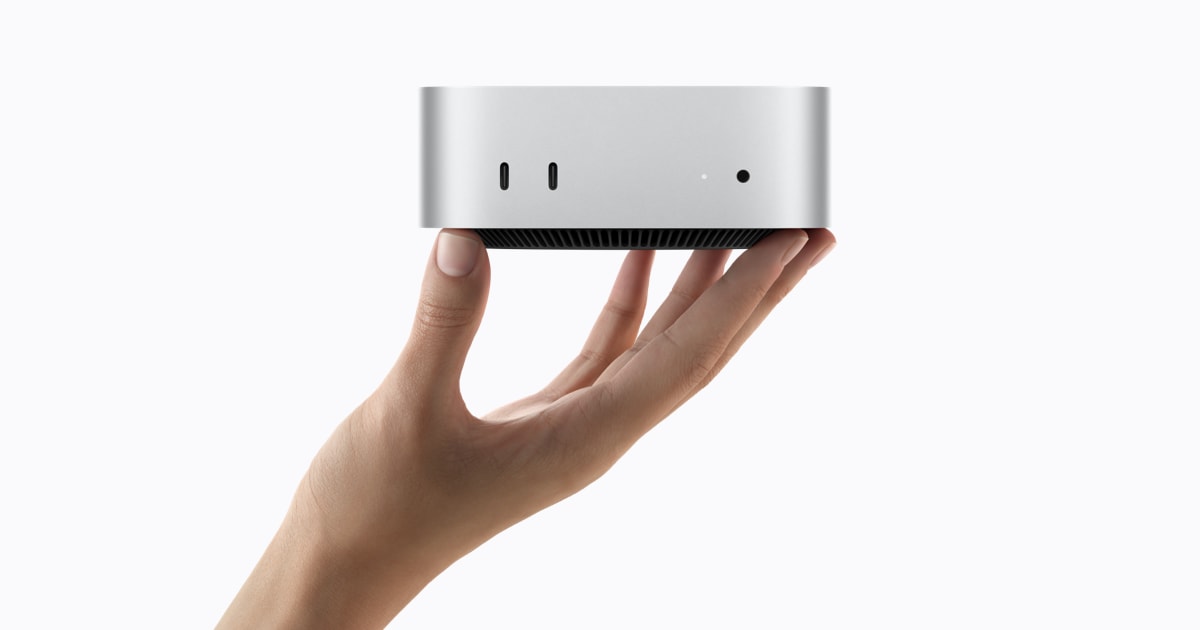
Apple announces Mac mini with M6 and M5 Pro, starting at $899
Preorders opened on August 25, with deliveries scheduled from September 22. Evaluating the two options requires considering the complete configuration and intended workload.

IBM outlines a dual-architecture processor for future Z and LinuxONE systems
The August 24 design announcement targets native IBM and Arm instruction execution within each core. It concerns a processor under development for future systems.
Linux 7.2 is out: why some changes were reverted before the final release
The final kernel was announced on August 16 UTC. This report examines why removing a change can be part of protecting stability.

EVE Online becomes a research setting for AI memory and long-term planning
Google DeepMind’s August 21 update explains work with Fenris Creations. The program begins in an offline environment separated from live players.
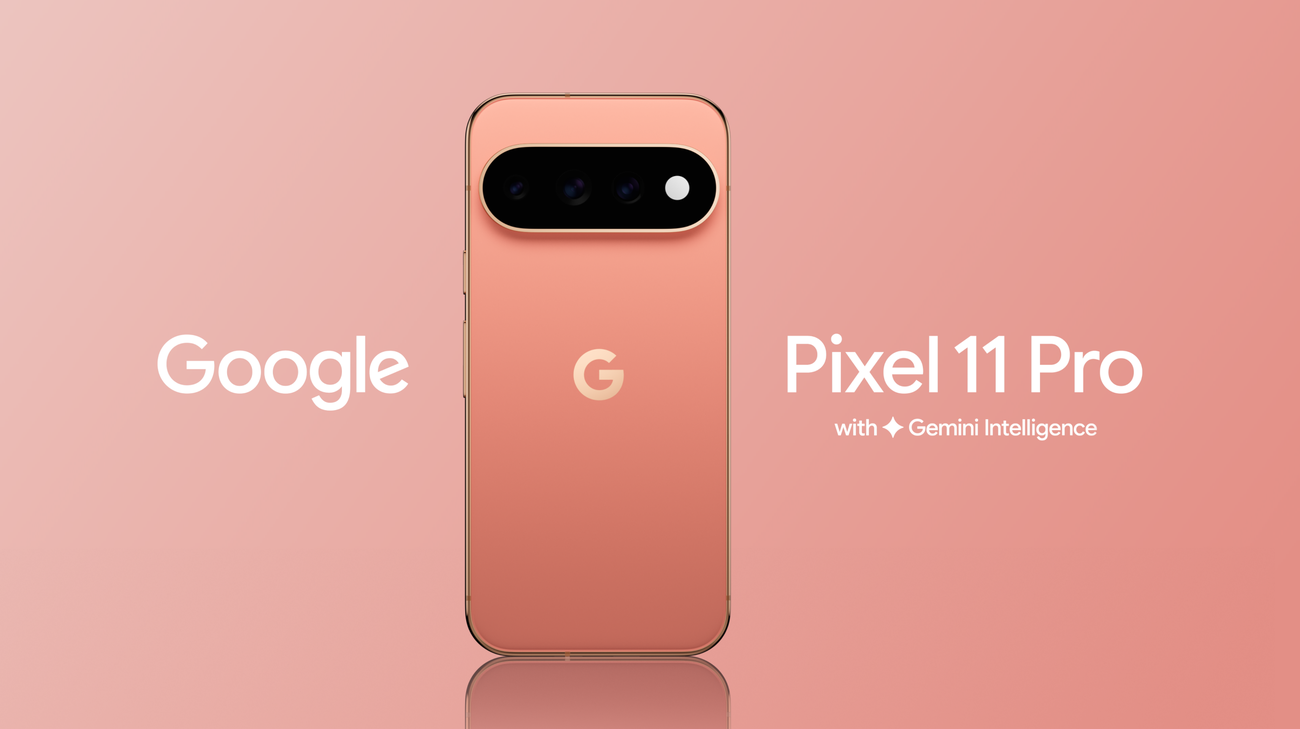
Pixel 11 and Pro: cameras, Creator Suite and seven years of updates
A report on the phones Google announced on August 12, covering launch prices, video tools and the distinction between hardware specifications and regional AI availability.

Google introduces formal verification for CEL policies with Z3
The August 18 framework targets logical errors in expressions and policies. Defining the property to prove and understanding the model’s boundaries remain essential.
Cloudflare Kitesurf brings a task-focused browser to AI agents
Announced on August 6, Kitesurf offers developers another browser engine for automation. This report examines suitable workloads and the checks that matter before adoption.
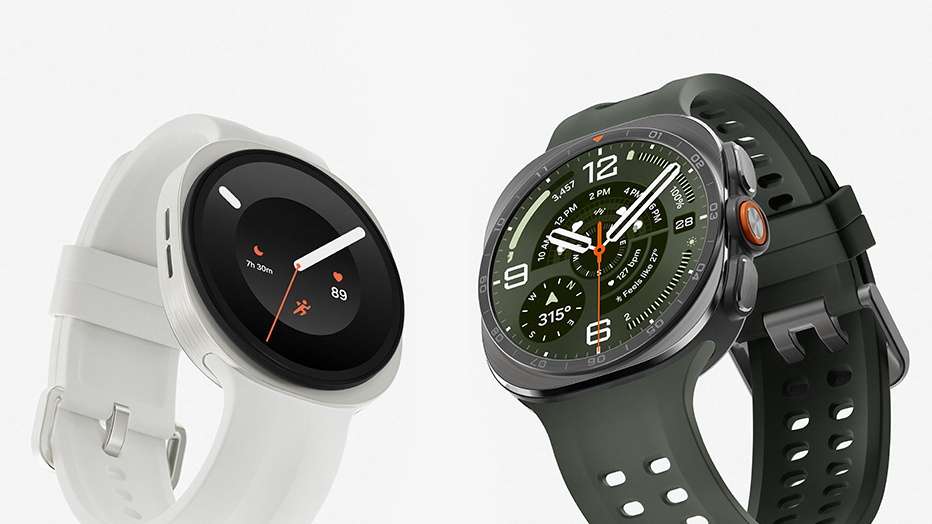
Galaxy Watch Ultra2 and Watch9 begin their retail rollout
Samsung’s August 7 rollout brings the new watches to market. Ultra2 pairs a 47mm case with an 800mAh battery, while Watch9 offers 40mm and 44mm sizes.

Meta introduces Muse Code beta and Muse Spark 1.2 for large-repository work
The August 5 launch describes a terminal agent for planning, writing code and checking results. Its work log and evaluation methodology help explain what the announced capabilities measure.
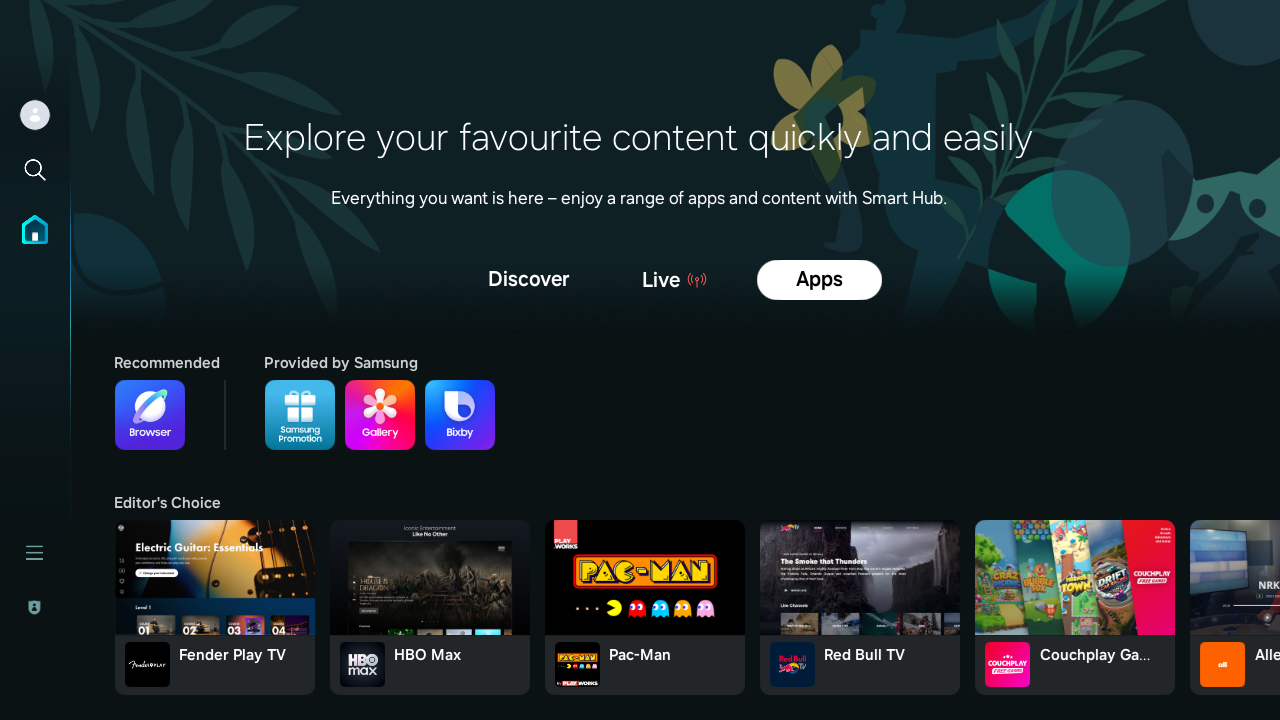
Samsung restricts Smart TV apps containing residential proxy functionality
Samsung says it has restricted new registrations and is working to remove existing apps containing the components. The research distinguishes the presence of an SDK from its actual activation.
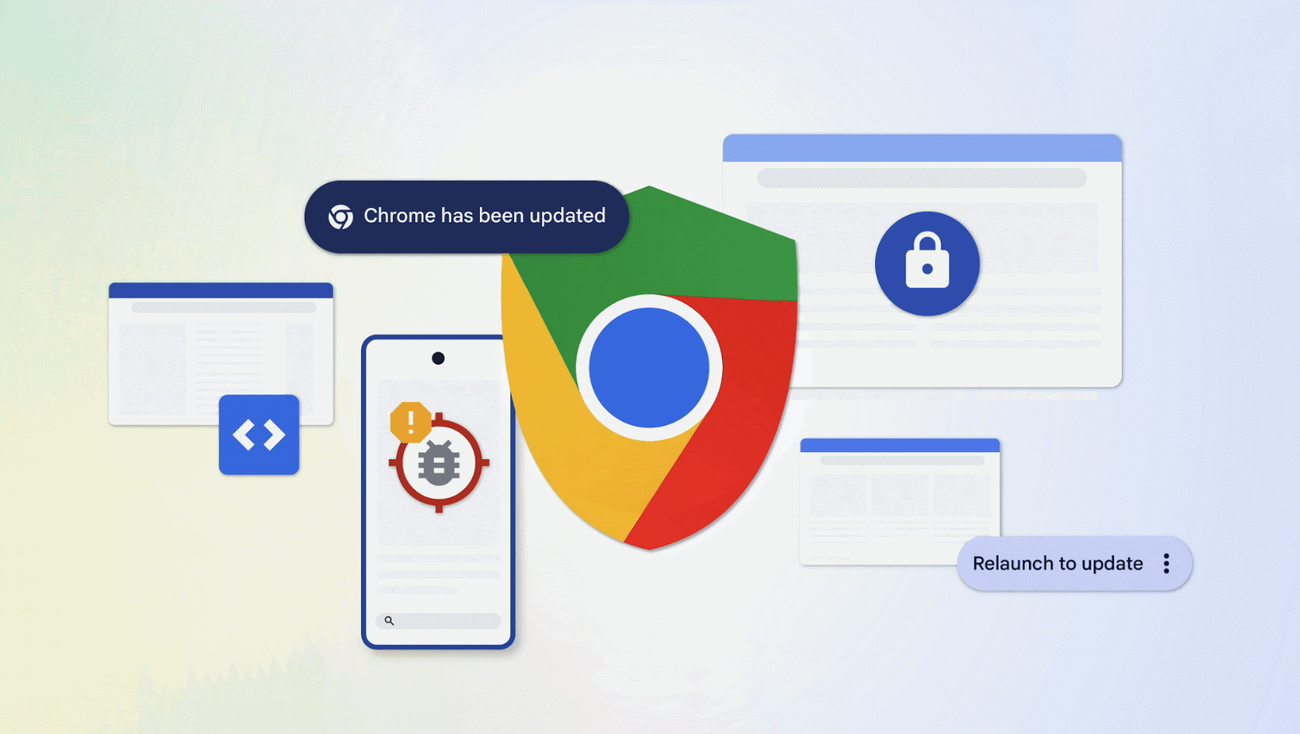
Google reports 1,072 Chrome security fixes as AI expands vulnerability research
The Chrome Security Team’s July 30 report describes fixes across milestones 149 and 150. Understanding their significance also means following a correction through to the software a user actually runs.
MCP 2026-07-28 introduces a stateless core and formal extensions framework
The new specification changes how AI applications communicate with tool servers. Each request carries its protocol context, making client–server compatibility and complete user journeys central to implementation testing.
Linux 6.12.98 fixes an ext4 backport problem: why older branches need their own tests
The July 25 stable release contains a targeted ext4 correction. It illustrates how a fix that fits newer code can need different cleanup handling when carried into an older branch.

Databricks and Microsoft extend partnership with business context and AI costs in focus
The July 23 agreement extends into the 2030s and expands Azure use. A separate Databricks announcement on the same day adds spending controls, highlighting two practical challenges for agent developers.
Microsoft and Mistral expand AI partnership around deployment control
The July 21 agreement combines European computing capacity with enterprise deployment choices. For application teams, it brings data location, access permissions and operational testing into the same discussion as model selection.