Meta introduces Muse Code beta and Muse Spark 1.2 for large-repository work
The August 5 launch describes a terminal agent for planning, writing code and checking results. Its work log and evaluation methodology help explain what the announced capabilities measure.


Meta introduced Muse Code in beta on August 5, 2026. The terminal coding agent runs on Muse Spark 1.2 and is offered for macOS and Linux.
The company describes it as designed to plan changes, write code and validate results across large repositories. Its design includes persistent background agents and a local event log intended to support resuming work after an interruption.
The model and agent environment work together
The model can be understood as the component that reasons and produces code. The agent environment organizes its interaction with files, commands and verification results.
In a general example, fixing a problem involves finding the relevant code, understanding its cause, changing it and checking the resulting behavior. Information from each stage affects the next step.
If work stops midway, a clear log can identify what finished and what remains. This is a different question from whether the final code is correct; evaluating the tool can consider both continuity and outcome.
The team can also examine what happens when returning to the task. Are the changed files visible, and can a decision be connected with the result that preceded it?
How the comparisons were produced
Meta’s methodology explains that some comparisons evaluate each model with its selected agent product. Those comparisons are therefore different from testing every model inside an identical harness.
For DeepSWE, the methodology requires both functional verification and regression checks to succeed. These details help readers interpret Meta’s published results within its evaluation setup.
An informative reading starts by identifying the unit being tested: the model alone, or the model together with its environment? The next question is what the methodology counts as task success.
A defined task for practical evaluation
As an example, a team could choose a specific application fix and write down the behavior a user should observe before work begins. After the change, it can review the modified files and exercise the same user journey.
Repeating the exercise from the same starting point and goal helps make the results comparable. The work log can show the route to the change alongside examination of the final output.
Including a closely related case also helps check whether the intended behavior remains clear within the task’s scope.
Muse Code’s significance lies in combining a model with a repository-working environment. Its beta status and evaluation methodology remain important context for relating announced capabilities to an actual task a team can review.
Sources
Founder and editor-in-chief of Kurd Developers. Phone and tech news on YouTube, Instagram and TikTok.
More stories
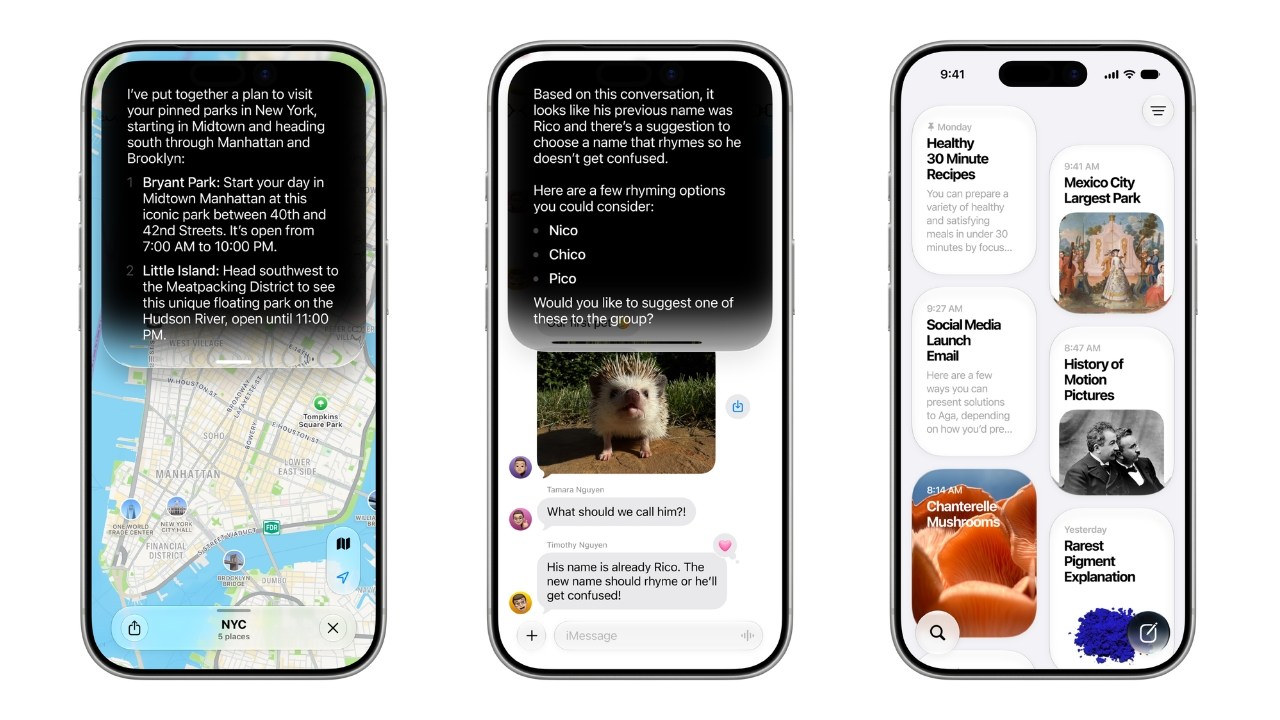
Apple Intelligence Is Coming to China With iOS 27.3, Backed by Alibaba
After more than two years of waiting, Apple says Apple Intelligence will reach iPhone users in China in December, with Alibaba's Qwen model powering parts of Siri.

One text can break your phone: Android's 'SMS of Death' explained
A flaw in Android 12 and later lets a specially crafted SMS drop calls and even make a phone unusable. The fix is in October's security patch.

GTA VI lands November 19: prices, editions and what to know
Rockstar has locked the date: Thursday, November 19 on PS5 and Xbox Series X|S. Standard costs $79.99 and Ultimate $99.99.

Apple's first touchscreen MacBook Pro brings OLED and Dynamic Island
The new PROLED XDR display responds to touch, the notch is gone and Dynamic Island takes its place. Prices start at $2,899.