NVIDIA releases Isaac ROS 5.0 with AI-assisted robotics development workflows
The September 22 release combines GPU-accelerated ROS packages with new development workflows. Coding assistance and verification of a physical machine remain distinct stages.

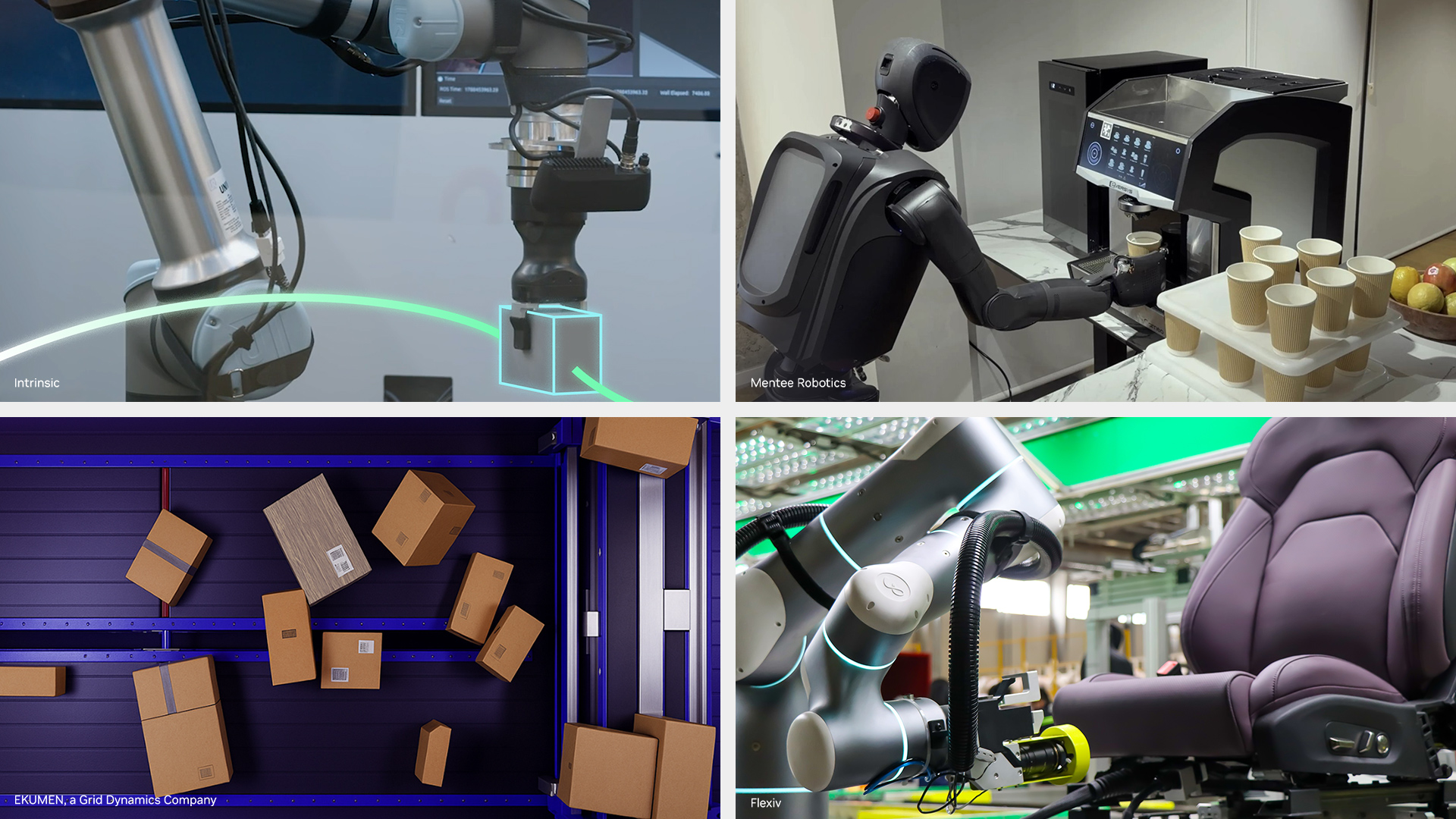
NVIDIA released Isaac ROS 5.0 at ROSCon in Toronto on September 22, 2026. The release is a collection of GPU-accelerated packages for building robotics applications on ROS, available free and open source according to the company's announcement.
It adds ROS Lyrical and Ubuntu 24.04 support alongside workflows prepared for AI development assistants. The Open Source Robotics Alliance also described collaboration among ecosystem members in testing tools and workflows that day. This is a release of development tools, rather than the launch of a new, completed robot.
An assistant's role needs a clear boundary
AI can be used to help with a software task, but assistance in writing code and verification of a machine's behaviour in the physical world are different responsibilities. Each stage needs appropriate evidence. Code that does not produce a programming error has not, by that fact alone, demonstrated successful robot behaviour.
Consider a hypothetical pick-and-place project. Locating an object, planning a movement and carrying it out are connected stages. One stage might produce an output in the correct format without satisfying the conditions the next stage assumes. Assessing the chain and its final result is therefore more informative than inspecting an isolated output.
A team can also define the assistant's role explicitly: which files may it propose changing, how will a developer review the changes and where will test results be recorded? These are organizational questions that make the tool's contribution understandable, not findings from our own testing of this release.
Establish conditions before comparing results
In our view, recording a baseline before changing the system is useful. A team can then repeat a known task under comparable conditions and examine the difference. Otherwise, a change in the test environment could be mistaken for an improvement caused by the software modification.
Cases should extend beyond the easiest situation. Different lighting, an altered object position or incomplete input are examples of questions a team could adapt to its project. A successful demonstration under one condition does not establish performance in every environment.
Defining operating limits remains a responsibility of the people building the application. Ready-made libraries and workflows can reduce work that would otherwise start from scratch, but they do not automatically establish the success conditions for an individual deployment.
The value of the announcement lies in a shared software foundation and tools for application development. The result for a particular robot still needs to be verified using its hardware, sensors and actual task. We have not tested a robot with Isaac ROS 5.0 here and are not presenting independent speed or accuracy measurements.
Sources
Founder and editor-in-chief of Kurd Developers. Phone and tech news on YouTube, Instagram and TikTok.
More stories
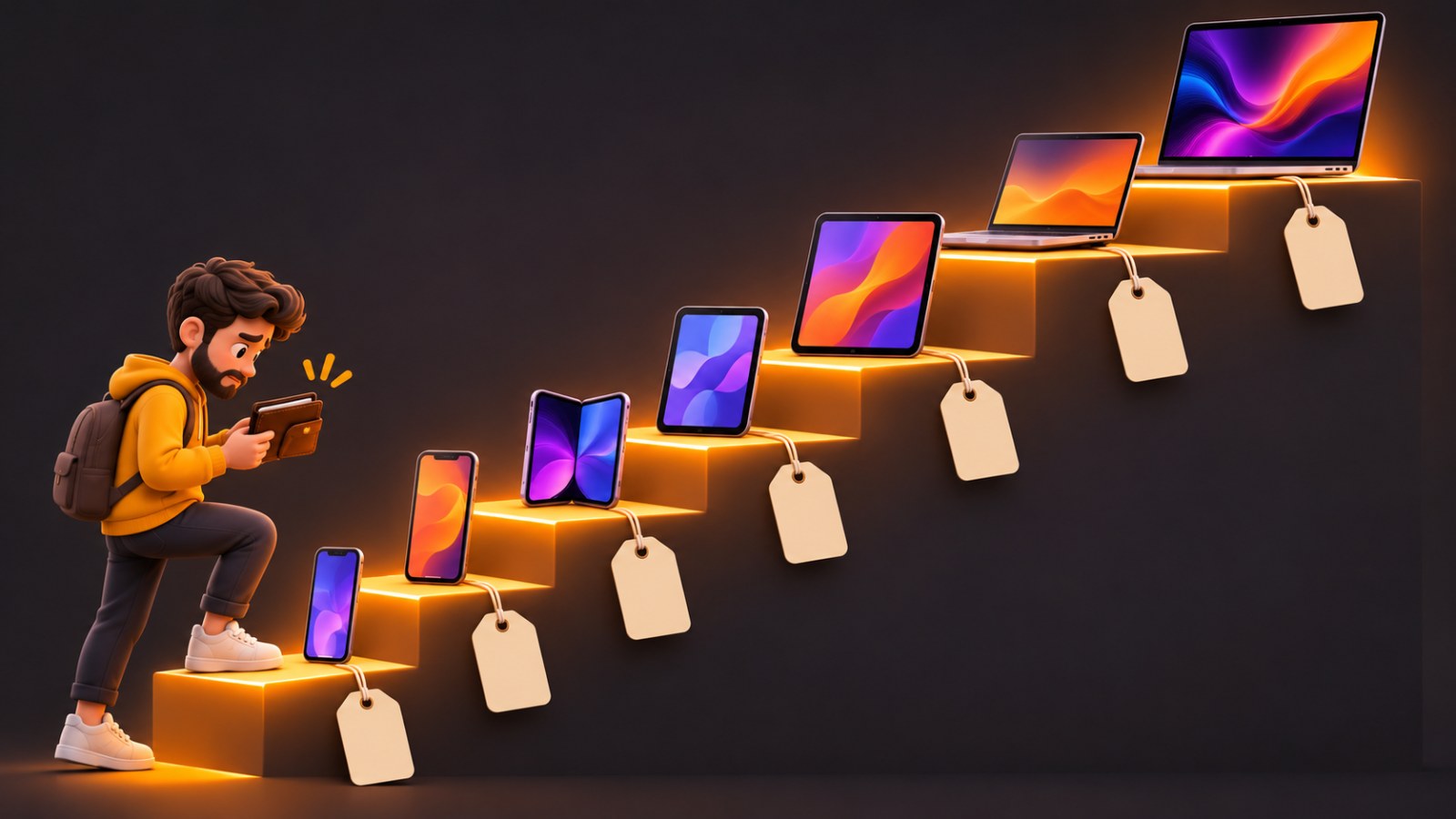
Apple's Price Ladder: How "Just $50 More" Walks You Into the Pricier Model
You go to buy an iPad mini, pick 256GB, and suddenly you're paying more than an iPad Air. We charted every iPhone, iPad and Mac price on Apple's US store to show where the traps are, and when stepping up is actually worth it.
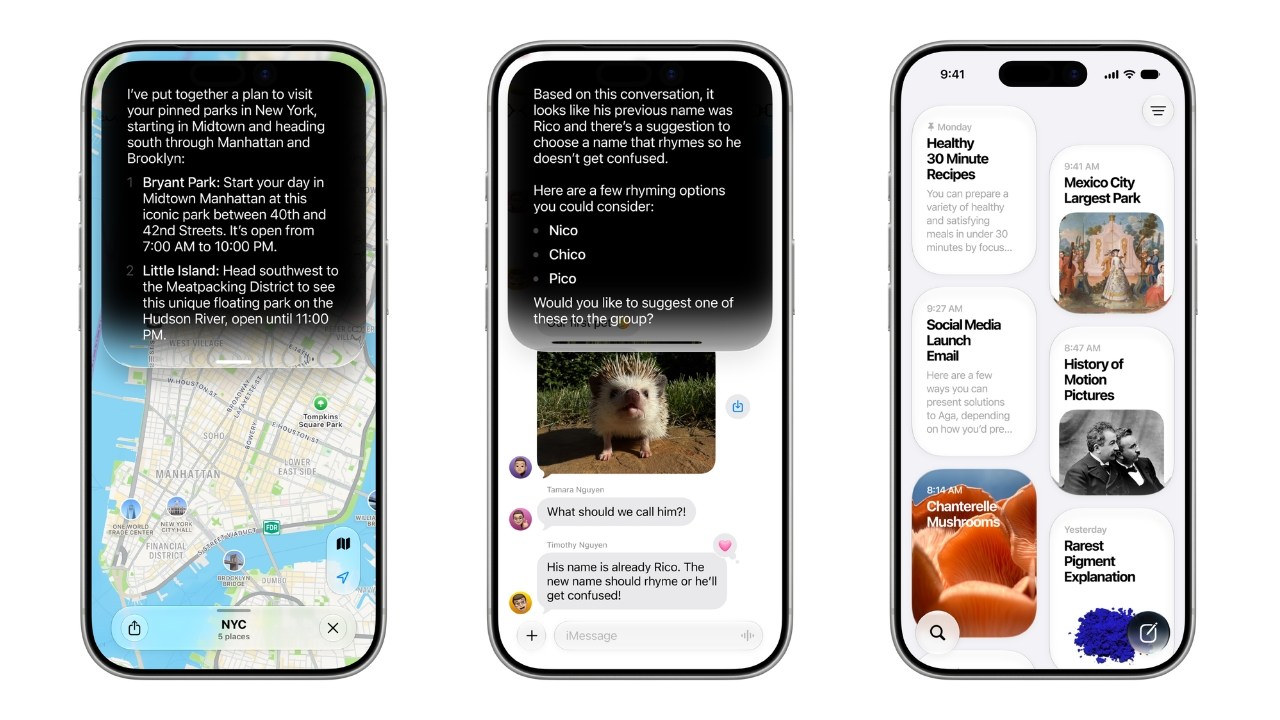
Apple Intelligence Is Coming to China With iOS 27.3, Backed by Alibaba
After more than two years of waiting, Apple says Apple Intelligence will reach iPhone users in China in December, with Alibaba's Qwen model powering parts of Siri.

One text can break your phone: Android's 'SMS of Death' explained
A flaw in Android 12 and later lets a specially crafted SMS drop calls and even make a phone unusable. The fix is in October's security patch.

GTA VI lands November 19: prices, editions and what to know
Rockstar has locked the date: Thursday, November 19 on PS5 and Xbox Series X|S. Standard costs $79.99 and Ultimate $99.99.