Linux 6.12.98 fixes an ext4 backport problem: why older branches need their own tests
The July 25 stable release contains a targeted ext4 correction. It illustrates how a fix that fits newer code can need different cleanup handling when carried into an older branch.


Linux 6.12.98 was released as a stable update on July 25, 2026. Its official changelog identifies an ext4 correction needed after an upstream change was backported to the 6.12.y branch.
The case illustrates a practical issue in maintaining software versions. Two branches can share the same reason for a fix while requiring different mechanisms to implement it completely.
An early return skipped cleanup
According to the changelog, a validation path in EXT4_IOC_MOVE_EXT returned early, bypassing cleanup of a file reference in the older branch.
Newer upstream code used automatic cleanup. The 6.12.y branch retained the older fdget/fdput pattern. The correction records the error and sends execution through the shared cleanup path.
These details show why completing an operation includes what happens when a request is rejected or ends early. The error path also has to finish the appropriate work associated with its resources.
What a backport needs to preserve
A backport carries a change into an older version of a program. Linux’s stable-release rules explain that an upstream fix may need adjustment for an older API or codebase.
As a general example, two versions might open the same file while managing its lifetime differently. One could use automatic cleanup, while the other needs an explicit closing step. Reviewing the change therefore means examining the surrounding code and each part’s responsibility.
A developer can start with the problem the change addresses, then trace how the resource is managed in each branch. That connects the purpose of the correction with its actual implementation.
Testing success and early-exit paths
In an illustrative test design, a team could examine the successful case and an early-exit case separately. Each would have a defined starting condition, expected result and resource-cleanup behavior.
Running the same exercise on both branches helps expose differences in their surrounding environments. Recording the fix identifier, release version and test outcome together also makes later review more useful.
Reducing the case to a few repeatable steps can help when another change is introduced. If the result changes, the team has a specific description of what previously worked and what now differs.
The significance of 6.12.98 in this example lies in the detail of stable-code maintenance. Resource cleanup and error paths belong in the verification of a fix on each branch. For software teams, the case provides a concrete example of how an original change relates to its adaptation for versions still in use.
Sources
Founder and editor-in-chief of Kurd Developers. Phone and tech news on YouTube, Instagram and TikTok.
More stories
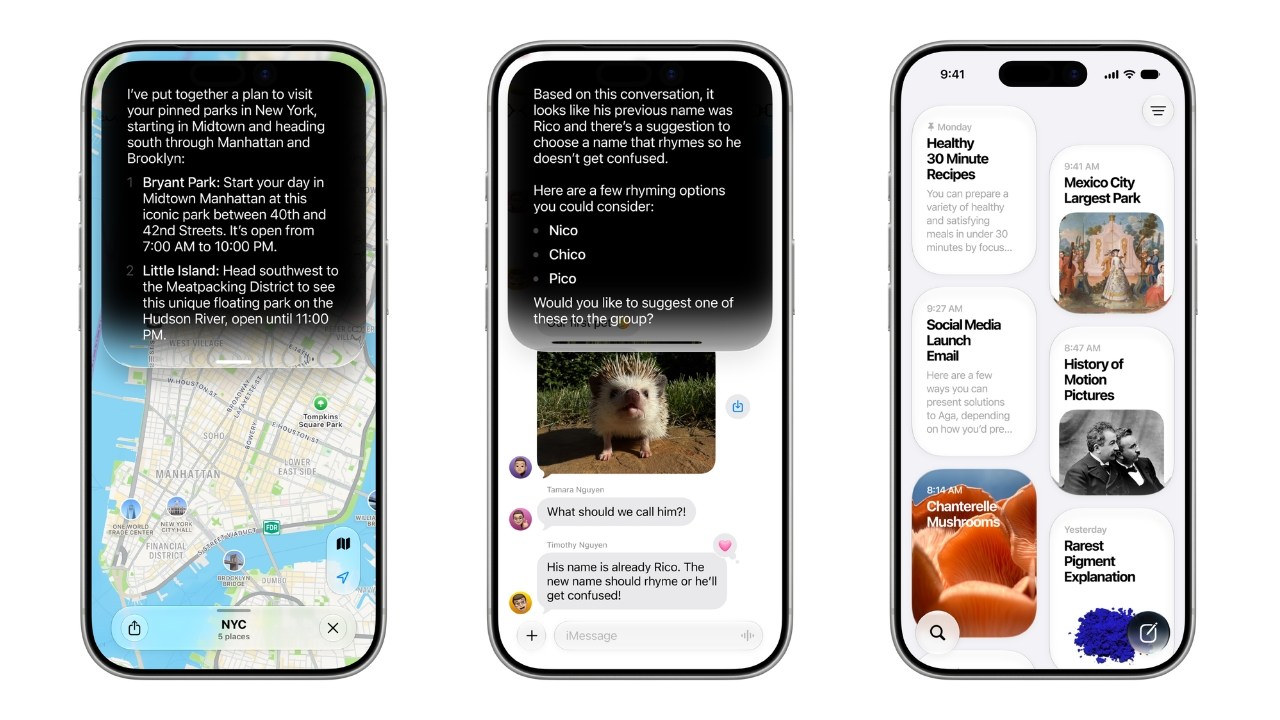
Apple Intelligence Is Coming to China With iOS 27.3, Backed by Alibaba
After more than two years of waiting, Apple says Apple Intelligence will reach iPhone users in China in December, with Alibaba's Qwen model powering parts of Siri.

One text can break your phone: Android's 'SMS of Death' explained
A flaw in Android 12 and later lets a specially crafted SMS drop calls and even make a phone unusable. The fix is in October's security patch.

GTA VI lands November 19: prices, editions and what to know
Rockstar has locked the date: Thursday, November 19 on PS5 and Xbox Series X|S. Standard costs $79.99 and Ultimate $99.99.

Apple's first touchscreen MacBook Pro brings OLED and Dynamic Island
The new PROLED XDR display responds to touch, the notch is gone and Dynamic Island takes its place. Prices start at $2,899.