Google says its technologies cover over 300 languages. What does that mean for Badini Kurdish?
This September 20 report examines the company's September 15 announcement: ecosystem coverage is different from Translate's language list and from demonstrated quality in a particular dialect.


Google said on September 15, 2026 that its technologies and products support more than 300 languages. The same article describes Google Translate as covering more than 250. The larger figure therefore concerns the wider product ecosystem, rather than a single identical language list available in every service.
This September 20 report examines that distinction. Google's ambition to support 1,000 languages is also a goal, rather than a statement of completed coverage. The announcement alone does not provide a specific quality measurement for Badini Kurdish.
Support needs a task definition
For a user, language support should be connected to a particular activity. Reading text, translating it, understanding speech and generating spoken output are different functions. A system could be useful in one while requiring more careful review in another. “It supports my language” is the beginning of an evaluation, rather than its conclusion.
Badini deserves testing in its actual form. Producing text in Arabic script does not by itself make the result natural for a Badini reader. Vocabulary, sentence structure and local meaning all affect comprehension. A passage could convey a fact correctly while using an expression that feels unfamiliar to its intended audience.
It is useful to assess meaning and style separately. A reviewer can record a factual error independently from an awkward formulation. That makes the feedback more actionable than one overall score that hides the reason a passage failed.
The intended audience matters, too. A short message for a general reader and a technical explanation for a programmer place different demands on terminology. Evaluation samples should represent the work the service is expected to perform.
Community participation needs a role
A local evaluation could involve readers and writers from the language community in choosing samples and judging results. The examples should include everyday situations, local names and technical terms, rather than only short, uncomplicated sentences.
In our view, a project should also explain where its samples come from, who corrects them and the terms under which they can be used. These are organizational questions for a language project, not claims about a dataset we collected. Their purpose is to make the evidence and its limitations understandable.
Google's announcement emphasizes community partnerships. For a Kurdish project, a useful implication is that speakers should have a role in selecting examples and assessing outputs, as well as providing material.
Expansion into more languages is a development worth following. Its value to an individual reader, however, appears in whether the service can help accomplish a task in the language that person actually uses. The ecosystem-wide count cannot replace local evidence of accuracy, clarity and suitability.
Sources
Founder and editor-in-chief of Kurd Developers. Phone and tech news on YouTube, Instagram and TikTok.
More stories

Apple's Price Ladder: How "Just $50 More" Walks You Into the Pricier Model
You go to buy an iPad mini, pick 256GB, and suddenly you're paying more than an iPad Air. We charted every iPhone, iPad and Mac price on Apple's US store to show where the traps are, and when stepping up is actually worth it.
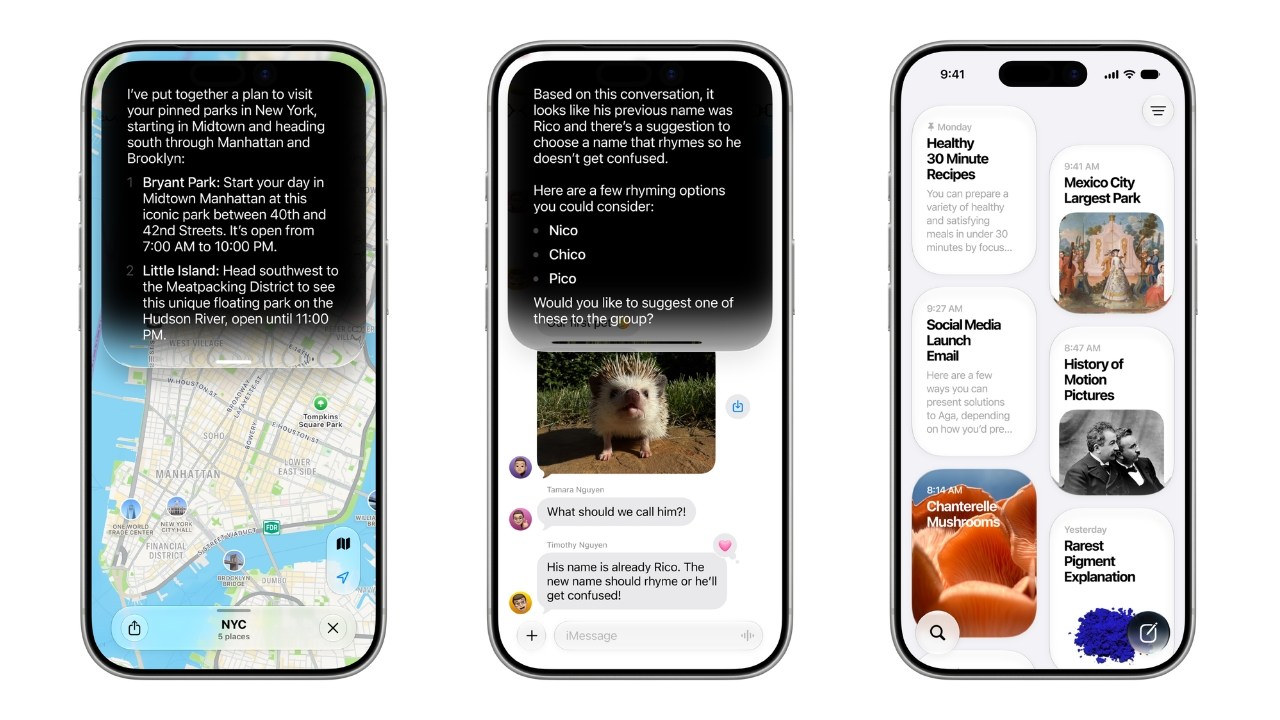
Apple Intelligence Is Coming to China With iOS 27.3, Backed by Alibaba
After more than two years of waiting, Apple says Apple Intelligence will reach iPhone users in China in December, with Alibaba's Qwen model powering parts of Siri.

One text can break your phone: Android's 'SMS of Death' explained
A flaw in Android 12 and later lets a specially crafted SMS drop calls and even make a phone unusable. The fix is in October's security patch.

GTA VI lands November 19: prices, editions and what to know
Rockstar has locked the date: Thursday, November 19 on PS5 and Xbox Series X|S. Standard costs $79.99 and Ultimate $99.99.