Samsung restricts Smart TV apps containing residential proxy functionality
Samsung says it has restricted new registrations and is working to remove existing apps containing the components. The research distinguishes the presence of an SDK from its actual activation.

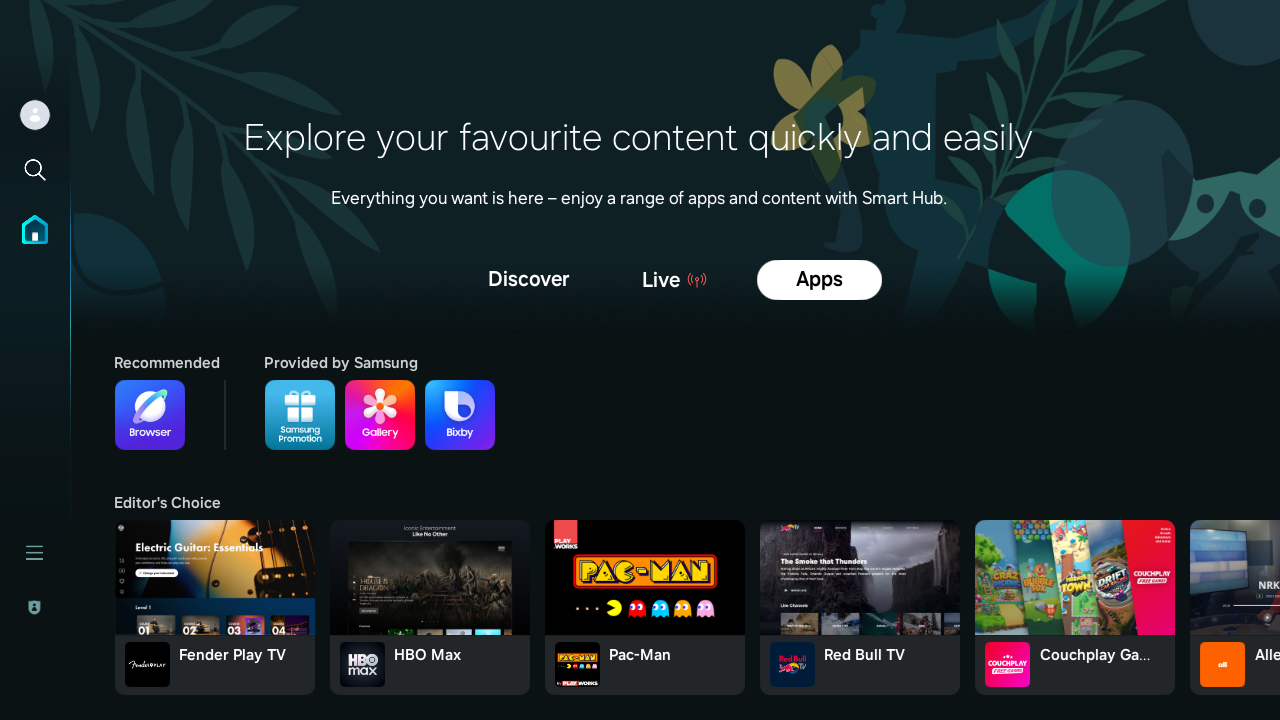
Samsung said it had restricted new Smart TV app registrations incorporating residential proxy functionality and was working to identify and remove existing apps containing those components. The response appeared in TechCrunch’s August 3, 2026 reporting.
The news followed research by security company mnemonic. Researcher Harrison Sand documented residential proxy SDKs in some Smart TV games, including Pac-Man.
What a residential proxy does
The mechanism allows another party’s web requests to pass through a household internet connection. Here, the question concerns how an application on a television can use that connection for activity originating outside the home.
This is a different function from the ordinary purpose of opening a game. The app description and consent step therefore need to make clear what is being activated and what it means for the user.
Clarity can be assessed through simple questions: does the screen explain the kind of sharing involved, and can someone connect their choice with the function that will run? These are user-experience questions, separate from measuring affected devices.
Presence and activation are distinct states
The research and contemporaneous reporting explain that installing Pac-Man alone did not turn the television into an exit node. The code can remain dormant, with activation involving a remote configuration and a consent screen.
That distinction matters when reading the news. Code presence, operation in a particular state and the scale of usage each require their own evidence.
In an illustrative evaluation, a team could record behavior before the consent screen and after the user’s choice, comparing the observed result at each stage.
Identifying the stage keeps a technical possibility separate from what was actually observed during a test, preserving the context of the finding.
App review also involves follow-up
As a general explanation, an application may retrieve some content from a server after installation. Evaluating it therefore involves documenting what was checked, when and with which configuration.
That record makes it possible to repeat the evaluation when content or settings change. The team gains a clear reference for comparing current behavior with what was previously reviewed.
In the television example, clear consent wording and an explanation of the choice’s effect can help users understand the function they are enabling.
The story’s significance lies in the relationship among app functionality, consent and a household connection. Samsung’s response describes a restriction, while follow-up testing remains important for understanding its implementation without generalizing a particular experiment to every television.
Sources
Founder and editor-in-chief of Kurd Developers. Phone and tech news on YouTube, Instagram and TikTok.
More stories
Apple Intelligence Is Coming to China With iOS 27.3, Backed by Alibaba
After more than two years of waiting, Apple says Apple Intelligence will reach iPhone users in China in December, with Alibaba's Qwen model powering parts of Siri.

One text can break your phone: Android's 'SMS of Death' explained
A flaw in Android 12 and later lets a specially crafted SMS drop calls and even make a phone unusable. The fix is in October's security patch.

GTA VI lands November 19: prices, editions and what to know
Rockstar has locked the date: Thursday, November 19 on PS5 and Xbox Series X|S. Standard costs $79.99 and Ultimate $99.99.

Apple's first touchscreen MacBook Pro brings OLED and Dynamic Island
The new PROLED XDR display responds to touch, the notch is gone and Dynamic Island takes its place. Prices start at $2,899.