GitHub makes Actions workflow execution protections generally available
The September 17 release adds workflow-file targeting, policy insights and API management, helping teams distinguish code contribution from permission to run automation.

GitHub announced the general availability of workflow execution protections in Actions on September 17, 2026, following public preview. The protections define who may trigger a workflow and which events may start it, using actor and event rules.
The release adds targeting for specific workflow files, Insights to examine policy impact and REST API management. GitHub also describes Evaluate mode, which lets administrators observe runs that would be blocked before enforcing a rule.
Contribution and deployment are different permissions
A team might accept code changes from many contributors while reserving production deployment for a smaller group. Applying different policies to different workflow files makes that distinction explicit, rather than treating every piece of automation in a repository as if it had the same purpose.
Consider a hypothetical small application. Tests run when a change is proposed, but sending a release to the production server requires an authorized operator. Before writing a policy, the team needs to identify the file responsible for each operation, the account that triggers it and the event that starts the process.
That map should include automated accounts. A discussion limited to human team members can overlook a necessary operation started by a bot or service. A rule that appears correct on paper could then interrupt legitimate work because the team missed its actual trigger.
Separating these questions can also improve ownership. Someone should be able to explain why a workflow is allowed, which part of the delivery process it serves and who is responsible for maintaining the exception if one exists.
Inspect the effect before expanding enforcement
A useful evaluation starts with an inventory of workflows and their purposes. The team can then test a narrowly scoped policy and inspect affected runs. The important question is whether a blocked run represents the intended restriction or an authorized process that the policy accidentally excludes.
Documenting that decision makes the configuration easier for another team member to understand later. API-based management can make settings repeatable, but repeatability alone cannot establish that the intended policy was correct.
Execution permission should also be distinguished from code safety. A rule deciding who may start automation does not independently establish that the code being run is trustworthy. Reviewing changes and limiting the privileges used by a workflow remain separate parts of the engineering process.
These are design and evaluation examples, not results of testing the protections on a live repository. The confirmed development at this report's date is general availability and the capabilities described in the release announcement. Their value to a particular team depends on an accurate workflow map and evidence that the policy has its intended effect.
Sources
Founder and editor-in-chief of Kurd Developers. Phone and tech news on YouTube, Instagram and TikTok.
More stories

Apple's Price Ladder: How "Just $50 More" Walks You Into the Pricier Model
You go to buy an iPad mini, pick 256GB, and suddenly you're paying more than an iPad Air. We charted every iPhone, iPad and Mac price on Apple's US store to show where the traps are, and when stepping up is actually worth it.
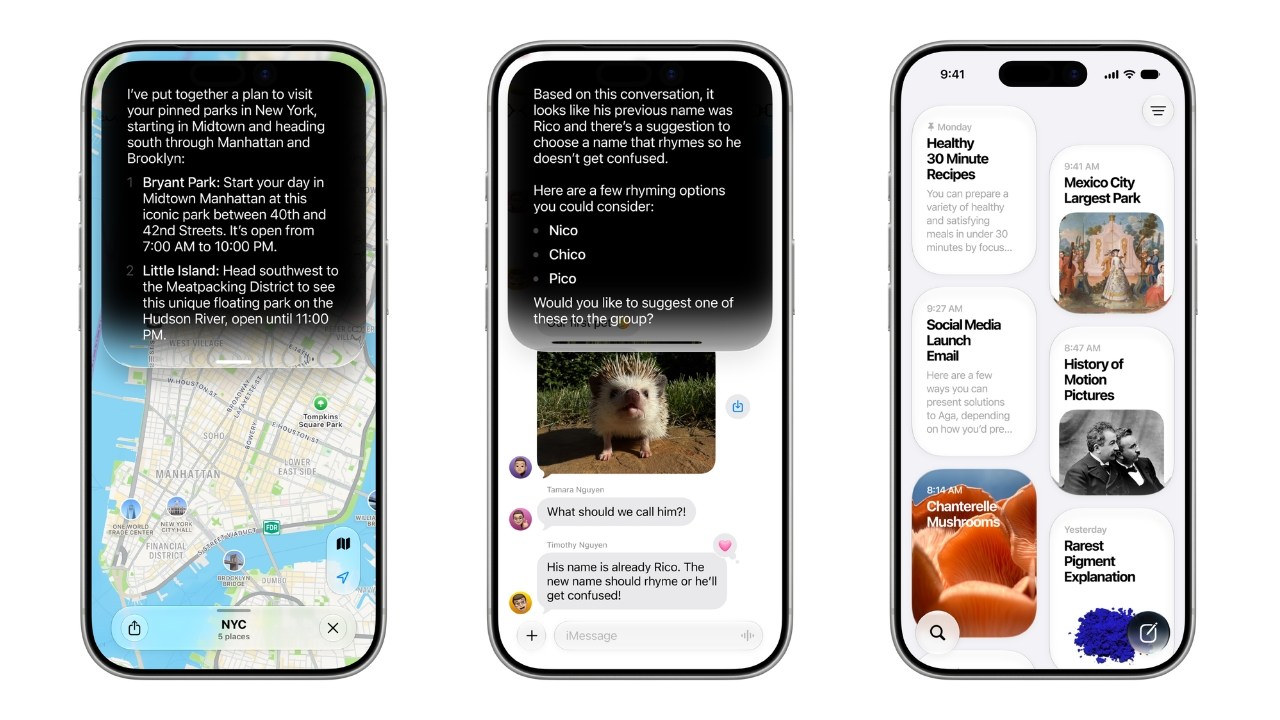
Apple Intelligence Is Coming to China With iOS 27.3, Backed by Alibaba
After more than two years of waiting, Apple says Apple Intelligence will reach iPhone users in China in December, with Alibaba's Qwen model powering parts of Siri.

One text can break your phone: Android's 'SMS of Death' explained
A flaw in Android 12 and later lets a specially crafted SMS drop calls and even make a phone unusable. The fix is in October's security patch.

GTA VI lands November 19: prices, editions and what to know
Rockstar has locked the date: Thursday, November 19 on PS5 and Xbox Series X|S. Standard costs $79.99 and Ultimate $99.99.