Chrome 153 starts a two-week release cycle: what changes for web teams?
Google activated the move from four-week to two-week releases on September 8. It changes browser delivery cadence, rather than automatically changing every website.

Google began its two-week release cycle on September 8 with Chrome 153 on Desktop, Android and iOS. The plan was announced on March 3 and is now being put into operation. This changes the cadence of Chrome delivery; it is not an announcement of an automatic change to every website.
From four weeks to two
The March announcement says Beta and Stable follow the new schedule, while Dev and Canary remain unchanged. Extended Stable keeps its eight-week cycle. The release channel therefore remains important when interpreting an update schedule.
Today's update connects the change with delivering fixes sooner and reducing the interval between a fix being ready and reaching users. That is the company's explanation of its goal, not evidence that the cadence alone eliminates every issue or that every device completes an update simultaneously.
Reviewing an existing website
Our suggested approach is a short list of critical workflows: signing in, submitting a form and completing a purchase, for example. Each check should answer a specific task, rather than simply establishing that the page opens.
For a three-language website, the sample might include right-to-left and left-to-right text. The same form can be reviewed in each language, giving the sample a connection to actual requirements without requiring the whole project to be read again every time.
It also helps to define the acceptable outcome before testing. Did the required data arrive? Was confirmation shown? Could the user complete the next step? These are evaluation questions, not results from a check we performed on a particular site.
Small changes and clear evidence
When a problem appears, recording the browser version, reproduction steps and expected result makes the report easier to assess. It moves the team from “it does not work on my phone” to a description another person can investigate.
Comparison matters too. Does the behavior appear under the same conditions and inputs? Did something else in the application change? Those questions do not presume that the browser caused the issue; they organize the search for the cause.
In our assessment, a faster cadence makes release tracking and a defined review process more important. A specific problem should still be linked to a specific version through evidence, rather than assigning every website change to the browser automatically.
We have not tested a site or application for this report. The purpose is to explain the announced schedule and the practical questions web teams can use when deciding how to follow it. The release calendar is a useful input to that process, rather than a substitute for checking the workflows the website must support.
Sources
Founder and editor-in-chief of Kurd Developers. Phone and tech news on YouTube, Instagram and TikTok.
More stories

Apple's Price Ladder: How "Just $50 More" Walks You Into the Pricier Model
You go to buy an iPad mini, pick 256GB, and suddenly you're paying more than an iPad Air. We charted every iPhone, iPad and Mac price on Apple's US store to show where the traps are, and when stepping up is actually worth it.
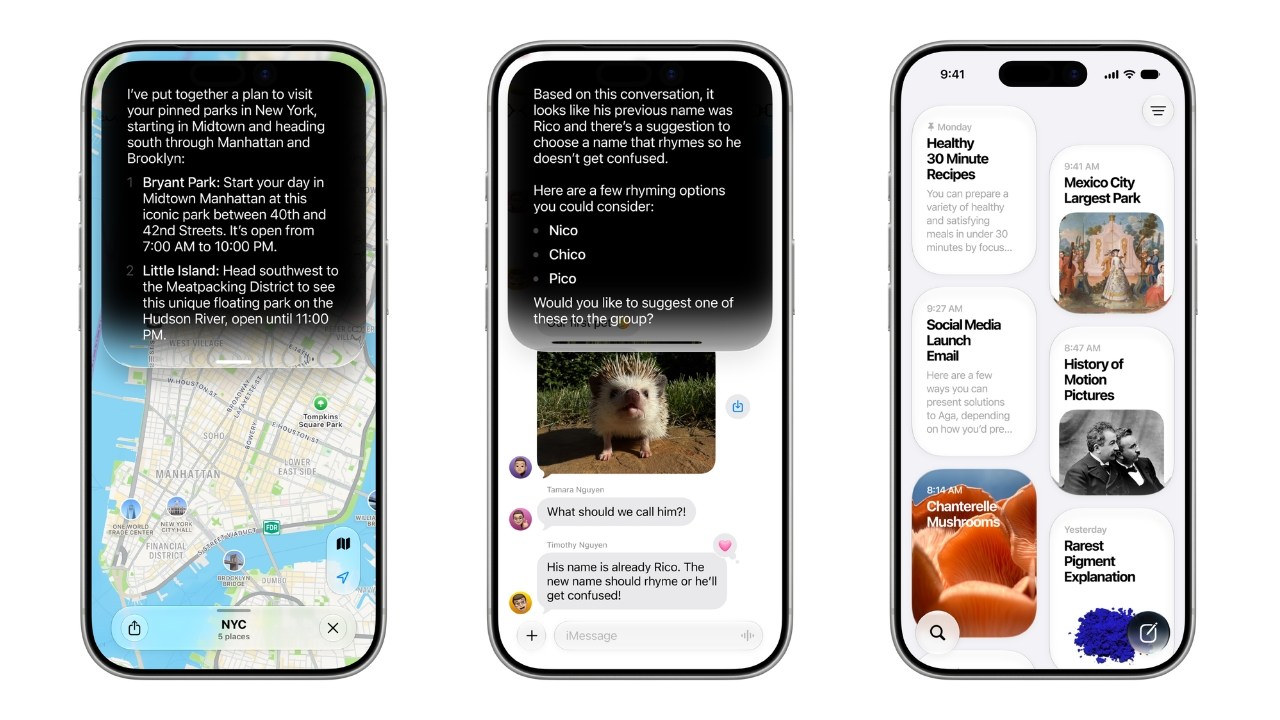
Apple Intelligence Is Coming to China With iOS 27.3, Backed by Alibaba
After more than two years of waiting, Apple says Apple Intelligence will reach iPhone users in China in December, with Alibaba's Qwen model powering parts of Siri.

One text can break your phone: Android's 'SMS of Death' explained
A flaw in Android 12 and later lets a specially crafted SMS drop calls and even make a phone unusable. The fix is in October's security patch.

GTA VI lands November 19: prices, editions and what to know
Rockstar has locked the date: Thursday, November 19 on PS5 and Xbox Series X|S. Standard costs $79.99 and Ultimate $99.99.