YouTube announces new Studio tools and more conversational video editing
At Made on YouTube 2026, YouTube announced conversational editing, broader Studio guidance and new voice and face protections. Some features are beginning to roll out, while others remain tests or are scheduled for later availability.

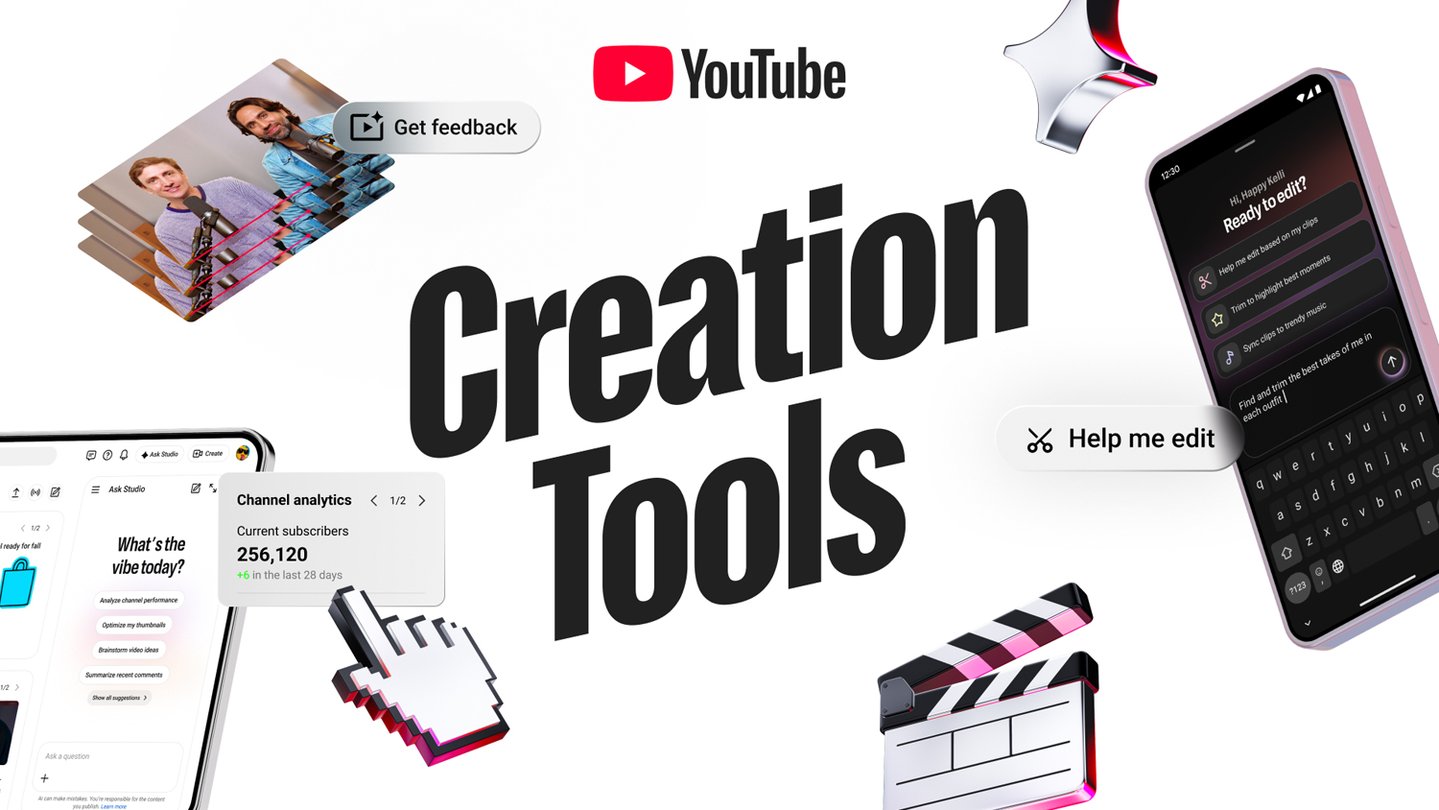
YouTube announced a new set of creator tools at Made on YouTube on 23 September 2026. The headline addition is a conversational editing assistant for Shorts and the YouTube Create app, alongside wider guidance in YouTube Studio and expanded identity protections. The announcement, however, does not mean every feature was immediately available to every creator.
Editing through conversation
A creator can select photos and video clips, then ask for a first draft with a suggested prompt or one of their own. They can continue the conversation to trim silent pauses, reorder clips, adjust pacing, add on-screen text or synchronise music. YouTube says manual timeline editing remains available at any point, so the AI is an assistant rather than the final decision-maker.
An official TeamYouTube post says the conversational editor is scheduled to begin a global Android and iPhone rollout in early 2027. On the historical announcement date, it should therefore be understood as an announced product with phased availability, not a completed worldwide launch.
Studio moves earlier in the workflow
YouTube Studio is adding personalised feedback on draft videos, covering pacing, structure and storytelling. It can also generate thumbnails designed to match a channel’s visual style and suggest alternatives.
The company also announced video A/B testing for up to three different cuts. The aim is to show creators which opening or edit holds audience attention more effectively. YouTube described that feature as “coming soon,” so access could vary by account and date. The results are platform signals rather than a guarantee that an AI system understands a creator’s artistic intent or can predict success.
Comments and identity protection
YouTube is testing optional AI-powered comment moderation. If enabled, the system is intended to learn a channel’s moderation preferences over time. Because the feature is opt-in and under testing, creators should still review how it classifies comments before relying on it.
The company also said it would begin combining speaking-voice detection with facial likeness detection later in the year. The goal is to improve identification of unauthorised synthetic copies. Mobile access to likeness controls is also planned, allowing creators to review and act on detected material away from a desktop.
The practical value is reduced repetitive work, not the removal of human review. An assistant can arrange clips or propose a thumbnail, but the creator remains responsible for context, factual accuracy, music and image rights, and the final publication choice.
Sources
Founder and editor-in-chief of Kurd Developers. Phone and tech news on YouTube, Instagram and TikTok.
More stories

Apple's Price Ladder: How "Just $50 More" Walks You Into the Pricier Model
You go to buy an iPad mini, pick 256GB, and suddenly you're paying more than an iPad Air. We charted every iPhone, iPad and Mac price on Apple's US store to show where the traps are, and when stepping up is actually worth it.
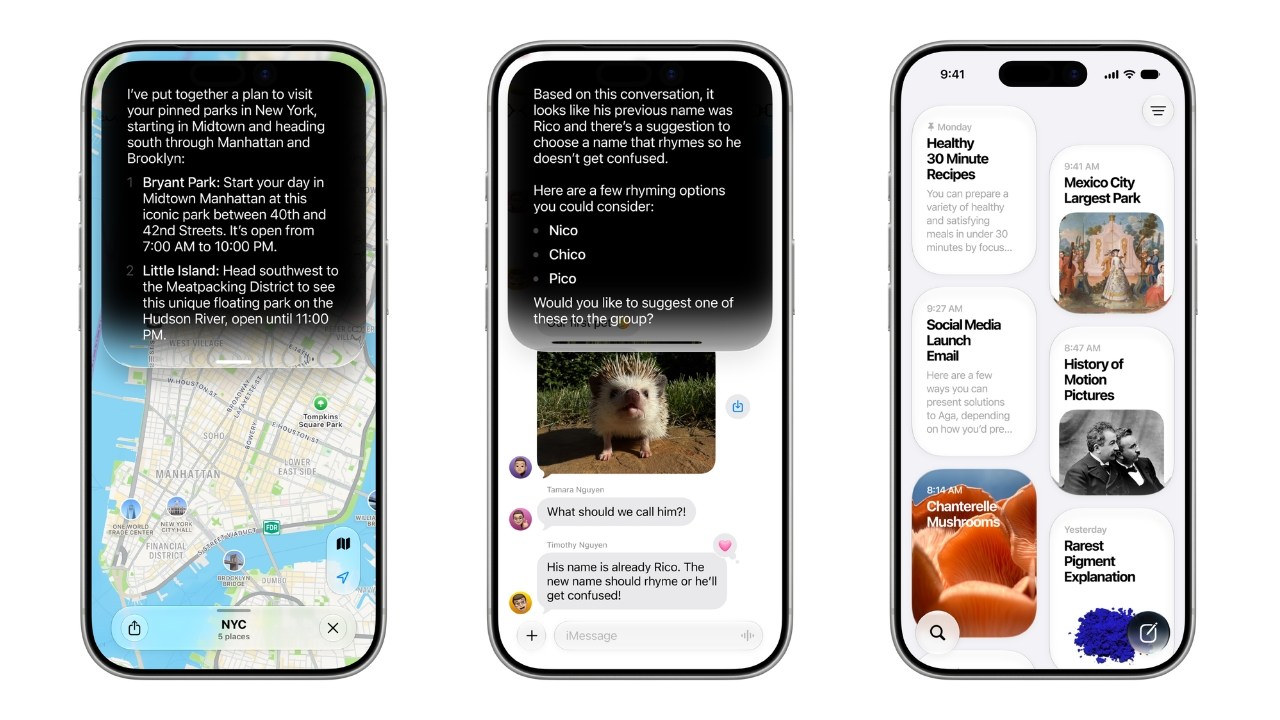
Apple Intelligence Is Coming to China With iOS 27.3, Backed by Alibaba
After more than two years of waiting, Apple says Apple Intelligence will reach iPhone users in China in December, with Alibaba's Qwen model powering parts of Siri.

One text can break your phone: Android's 'SMS of Death' explained
A flaw in Android 12 and later lets a specially crafted SMS drop calls and even make a phone unusable. The fix is in October's security patch.
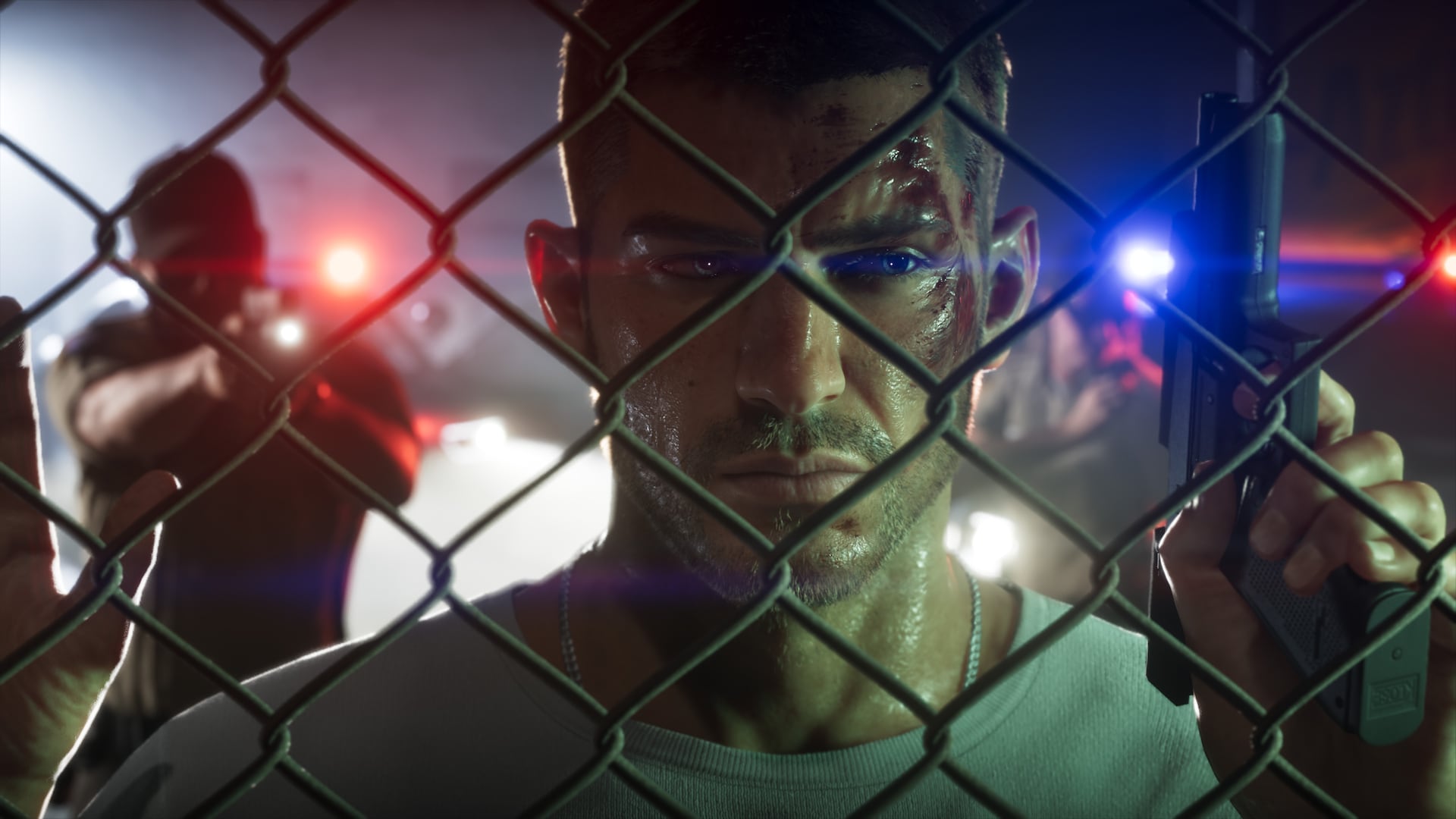
GTA VI lands November 19: prices, editions and what to know
Rockstar has locked the date: Thursday, November 19 on PS5 and Xbox Series X|S. Standard costs $79.99 and Ultimate $99.99.