Snap unveils Specs AR glasses at $2,195
The glasses feature two Snapdragon processors, with autumn availability planned for the US, UK and France.

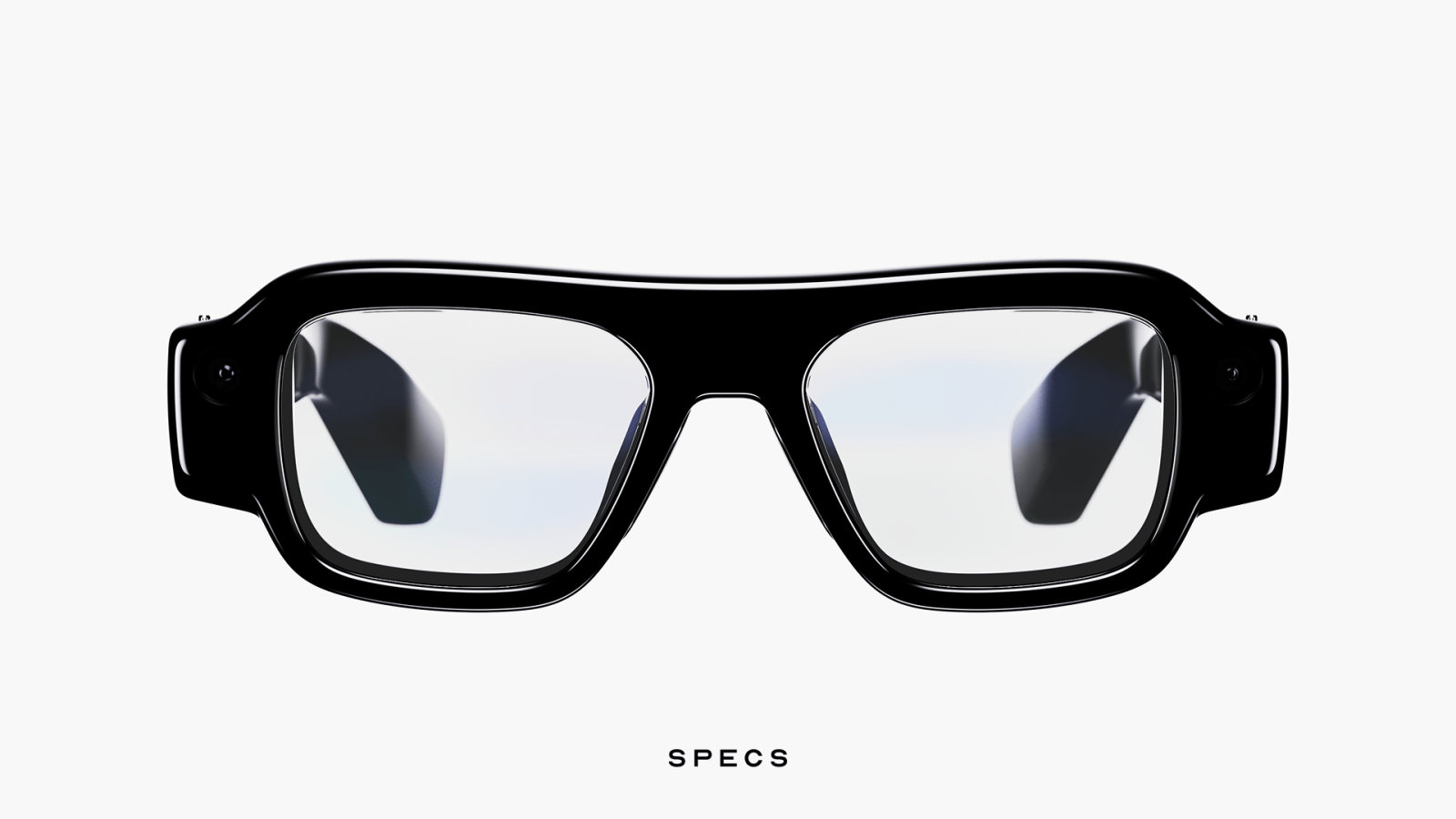
Snap announces Specs
On June 16, 2026, Snap unveiled Specs, its augmented-reality glasses designed to bring computing into a wearable device. This article covers the announcement at that date, rather than an independent review.
Price and preorders
Snap announced a $2,195 price and opened preorders with a refundable $200 deposit. Shipping was expected in the autumn in the United States, United Kingdom and France.
Prices are in US dollars. Local prices in Kurdistan may differ, and inclusion in an overseas launch does not establish local availability.
Announced specifications
| Component | Specification |
|---|---|
| Processing | Two Snapdragon processors |
| Battery | Up to 4 hours, or 20 hours with the charging case |
| Field of view | 51 degrees |
| Weight | 132g for 47mm; 136g for 52mm |
An LED indicates recording. EyeConnect enables shared experiences when two people wearing the glasses look at each other.
Reading the specifications
Battery figures are manufacturer claims, not measurements from a Kurd Developers test. Assessing comfort, display quality and practical endurance requires independent use of the finished product.
Founder and editor-in-chief of Kurd Developers. Phone and tech news on YouTube, Instagram and TikTok.
More stories
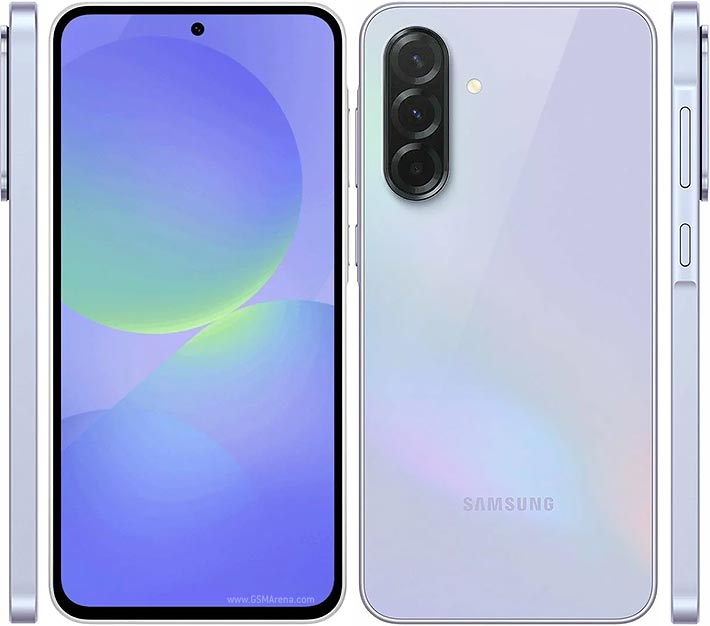
One text can break your phone: Android's 'SMS of Death' explained
A flaw in Android 12 and later lets a specially crafted SMS drop calls and even make a phone unusable. The fix is in October's security patch.

GTA VI lands November 19: prices, editions and what to know
Rockstar has locked the date: Thursday, November 19 on PS5 and Xbox Series X|S. Standard costs $79.99 and Ultimate $99.99.
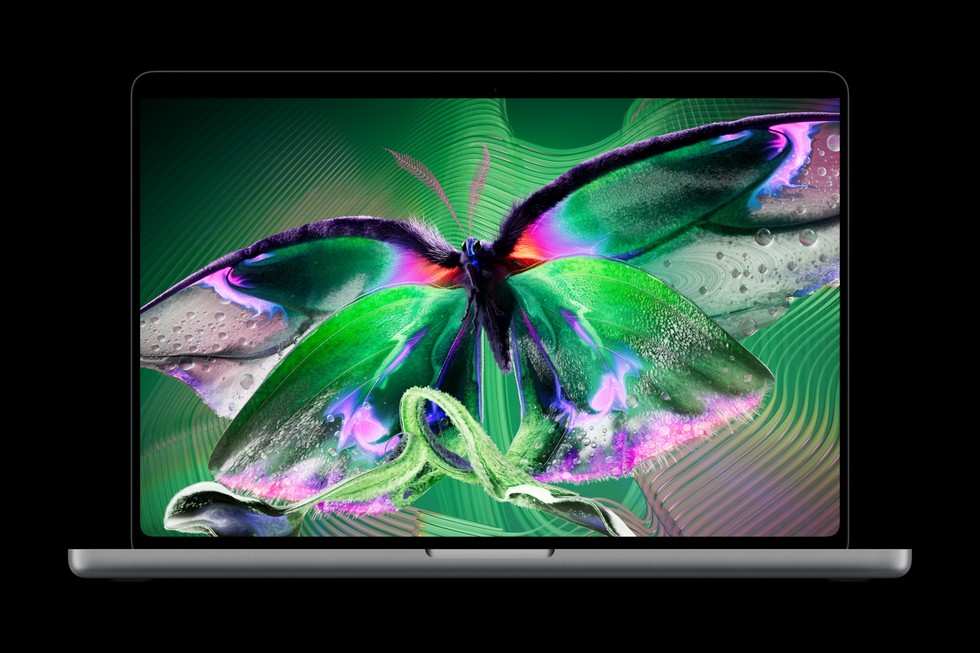
Apple's first touchscreen MacBook Pro brings OLED and Dynamic Island
The new PROLED XDR display responds to touch, the notch is gone and Dynamic Island takes its place. Prices start at $2,899.

The $1,999 iPhone Duo Has a Black-Bar Problem, and Fixing It Is Harder Than It Looks
Apple's first foldable is a hardware flex. But unfold it and many of your apps shrink into a phone-shaped window floating in black. Here's why the app world wasn't ready, and why developers can't just hit "stretch".