How Ring TAKE protects video, and how it differs from optional E2EE
Announced August 26, TAKE is planned to roll out in phases from September. Its temporary key access model differs from Ring's optional end-to-end encryption.

Ring introduced TAKE, short for Throw Away the Key Encryption, on August 26. The company says phased deployment will begin in September, becoming the default for customers worldwide when fully rolled out. E2EE will remain optional. As of this August 28 report, that is a deployment plan, rather than confirmation that every account has already received the change.
The key is the important comparison
The technical paper dated August 26 says TAKE allows Ring to use video keys inside a secure enclave for enabled features. Ring deletes its copy after 24 hours. For processing an older video, the app can temporarily provide a key again. In optional E2EE mode, Ring does not receive the keys needed to decrypt the content at all.
Why the distinction matters
In our assessment, the useful question goes beyond “is the video encrypted?” Who can decrypt it, when, and for what purpose? Those questions connect a service's design to a person's actual needs. A feature name or marketing statement cannot make that decision on the user's behalf.
One household might prioritize easy use by several family members. Another might put tighter control over access first. Both are understandable requirements. Making a choice requires checking the available features and their limitations when the update reaches the account, rather than assuming that every encryption mode offers an identical experience.
It is also useful to separate a design described by its vendor from the findings of an independent audit. This report explains Ring's announcement and technical document. We have not tested a camera or independently verified the implementation of its key-management system.
Questions before changing settings
Our suggested review starts with an inventory of the devices and people that have access to the account. Next, check the available process for recovering access if a phone is lost. These are suitability questions, and the answers should be checked for the particular account when enrolling in the new mode.
Sharing a clip outside the account deserves a separate decision. Ask why the recipient needs it, who will retain a copy, and what is known about how that copy will be protected. Choosing an encryption mode inside a service does not replace thinking about the destination of a video the user sends.
Ring presents TAKE as an improvement to its default protection. A precise comparison nevertheless keeps temporary access, deletion of the provider's key copy, and optional E2EE separate. That gives the camera owner a clearer basis for balancing functionality and control, while recognizing that deployment is still prospective and phased at the time of this report.
Sources
Founder and editor-in-chief of Kurd Developers. Phone and tech news on YouTube, Instagram and TikTok.
More stories
Apple's Price Ladder: How "Just $50 More" Walks You Into the Pricier Model
You go to buy an iPad mini, pick 256GB, and suddenly you're paying more than an iPad Air. We charted every iPhone, iPad and Mac price on Apple's US store to show where the traps are, and when stepping up is actually worth it.
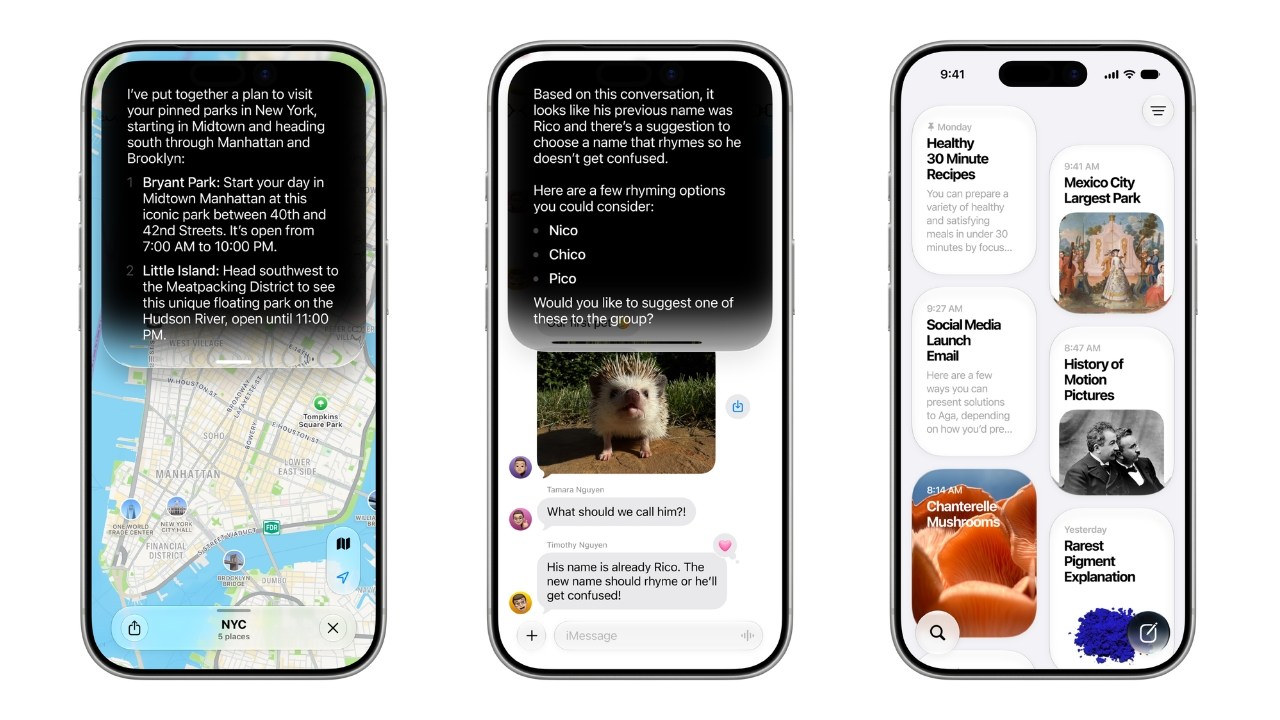
Apple Intelligence Is Coming to China With iOS 27.3, Backed by Alibaba
After more than two years of waiting, Apple says Apple Intelligence will reach iPhone users in China in December, with Alibaba's Qwen model powering parts of Siri.
One text can break your phone: Android's 'SMS of Death' explained
A flaw in Android 12 and later lets a specially crafted SMS drop calls and even make a phone unusable. The fix is in October's security patch.

GTA VI lands November 19: prices, editions and what to know
Rockstar has locked the date: Thursday, November 19 on PS5 and Xbox Series X|S. Standard costs $79.99 and Ultimate $99.99.