Microsoft’s August updates address an actively exploited Windows flaw
August 12 advisories confirm exploitation of CVE-2026-68820. That status should be distinguished from vulnerabilities whose details were publicly disclosed.


Microsoft’s August 2026 security updates address a Windows vulnerability that is being actively exploited, according to NHS England and CERT-In advisories issued on August 12. CVE-2026-68820 affects the Windows Ancillary Function Driver for WinSock.
The NHS alert counts 421 vulnerabilities across the wider product updates. That is an aggregate covering multiple products, rather than a statement that every individual computer contains that many flaws.
Understand the confirmed risk
CVE-2026-68820 is a use-after-free issue that allows an authenticated local attacker to elevate privileges. Those prerequisites matter: its identifier alone does not describe an unauthenticated, direct attack from the internet.
For IT teams, confirmed exploitation is an important prioritisation signal. It still needs to be combined with the affected-product information to establish where remediation is required.
Exposure and potential impact should also be considered separately. Two devices running the same operating-system version can have different operational roles and account privileges. Understanding those differences helps turn an advisory into a practical deployment plan.
Public disclosure is a different status
The NHS alert identifies CVE-2026-62832 and CVE-2026-72971 as publicly disclosed. That description does not establish the same confirmed exploitation status as the first vulnerability.
This distinction is central to reporting the updates accurately. Grouping different cases under one headline without explaining their status can leave readers with the impression that the same attack activity has been confirmed for all of them.
The large overall count does not provide a complete installation order either. A useful plan starts with the products actually present, their exposure and their importance to the organisation.
Verify remediation, not just availability
Both NHS England and CERT-In recommend applying the appropriate updates. For an organisation, the practical starting point is to compare its actual inventory with the official affected-product information and organise deployment around the systems involved.
Post-installation checks matter as well. The team should establish that installation succeeded and that the required services continue to function. Seeing a package offered in an update list is not evidence that remediation has completed.
For an individual user, the actionable message is to follow the relevant updates through official channels. For someone responsible for a fleet, the task is to confirm that remediation reached the affected devices.
Reading the alert and closing the affected system’s exposure are separate stages. The latter requires evidence from the devices being maintained, rather than an assumption based on the announcement alone.
Sources
Founder and editor-in-chief of Kurd Developers. Phone and tech news on YouTube, Instagram and TikTok.
More stories
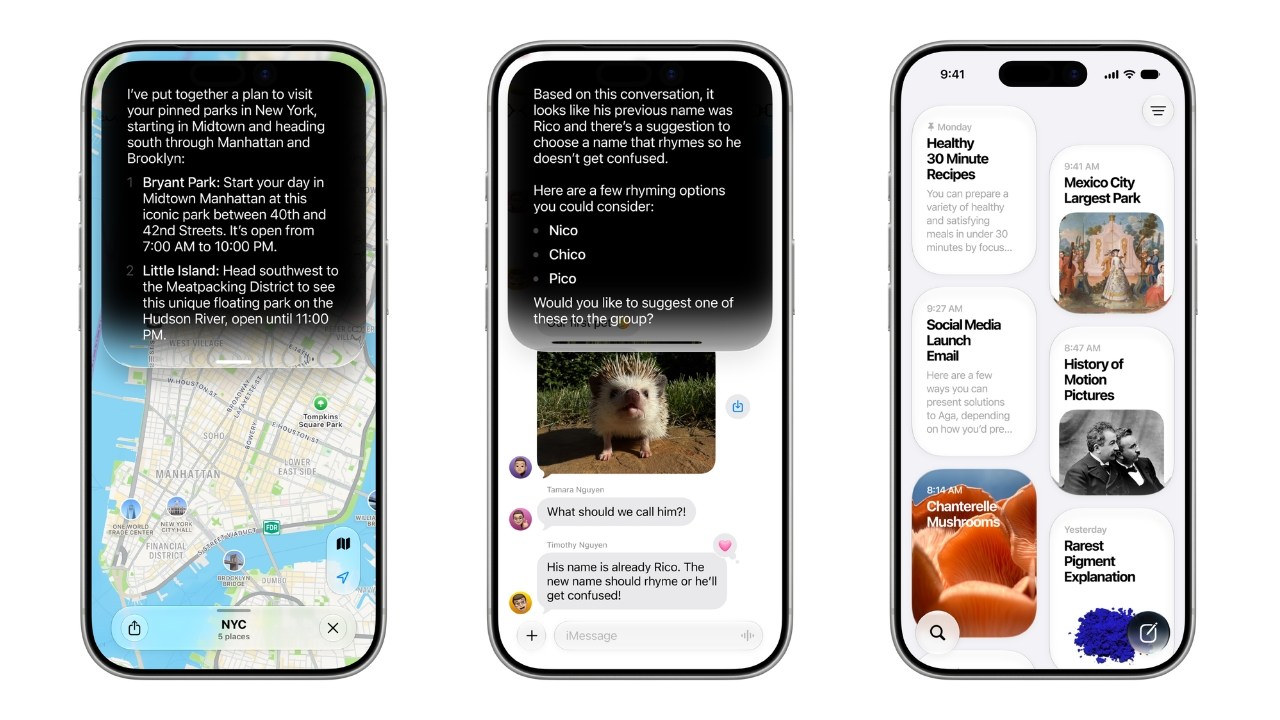
Apple Intelligence Is Coming to China With iOS 27.3, Backed by Alibaba
After more than two years of waiting, Apple says Apple Intelligence will reach iPhone users in China in December, with Alibaba's Qwen model powering parts of Siri.

One text can break your phone: Android's 'SMS of Death' explained
A flaw in Android 12 and later lets a specially crafted SMS drop calls and even make a phone unusable. The fix is in October's security patch.

GTA VI lands November 19: prices, editions and what to know
Rockstar has locked the date: Thursday, November 19 on PS5 and Xbox Series X|S. Standard costs $79.99 and Ultimate $99.99.

Apple's first touchscreen MacBook Pro brings OLED and Dynamic Island
The new PROLED XDR display responds to touch, the notch is gone and Dynamic Island takes its place. Prices start at $2,899.