Qira expands toward 16GB PCs and Motorola devices, with eligibility conditions
Lenovo announced the expansion at IFA. Our September 4 report explains why memory alone does not establish compatibility and why device and market conditions matter.

Lenovo announced an expansion of Lenovo & Motorola Qira at IFA 2026 on September 3. The plans cover eligible Lenovo PCs with 16GB of memory, selected Motorola devices as they receive Android 17, and moto watch ultra. This September 4 report focuses on the conditions behind the expansion, because a list of device families does not establish what one particular user will receive.
16GB is not a complete compatibility test
The word “eligible” matters. It should not be inferred that every computer with that amount of memory can use every feature. Lenovo says availability varies by device, market, configuration and platform, with some functionality requiring updates or supported accounts and services.
In its broader IFA announcement, Lenovo places Qira within its Hybrid AI strategy across multiple devices. That company-level direction should be distinguished from the status of a specific feature on a particular device. A general vision does not, by itself, establish when the function a user needs will reach their account.
What matters in a connected experience?
For a reader, a cross-device assistant becomes useful when it makes an everyday task clearer or easier. Consider preparing for a meeting: where does the information come from, where will the result be stored, and what decision is required before changing a calendar entry?
That is an evaluation example, not confirmation that all those actions are available on every model. Each function needs to be checked by name and under its own conditions, rather than treating the assistant as an identical package everywhere.
It also helps to define the beginning and end of the task. Is the goal to find information, prepare a draft, or carry out a change? That distinction makes it easier to understand what requires an account connection and what requires user review, instead of relying on the broad phrase “app integration.”
Local-first does not mean always offline
Lenovo describes a local-first architecture: personal knowledge-base information is encrypted and stored locally, while the prompt and relevant context are sent when cloud processing is needed. It says cross-device synchronization is optional. Local-first should therefore not be interpreted as a promise that every function always operates without an internet connection.
Our suggested starting point is the exact device model, required language and account type. Compare those with support conditions for the desired feature. That turns the announcement into an answerable compatibility question rather than an expectation based on a product-family name alone.
We have not tested Qira on these devices. The precise reading is an expansion with conditions, keeping the overall vision separate from the actual status of the function a user wants to use.
Sources
Founder and editor-in-chief of Kurd Developers. Phone and tech news on YouTube, Instagram and TikTok.
More stories
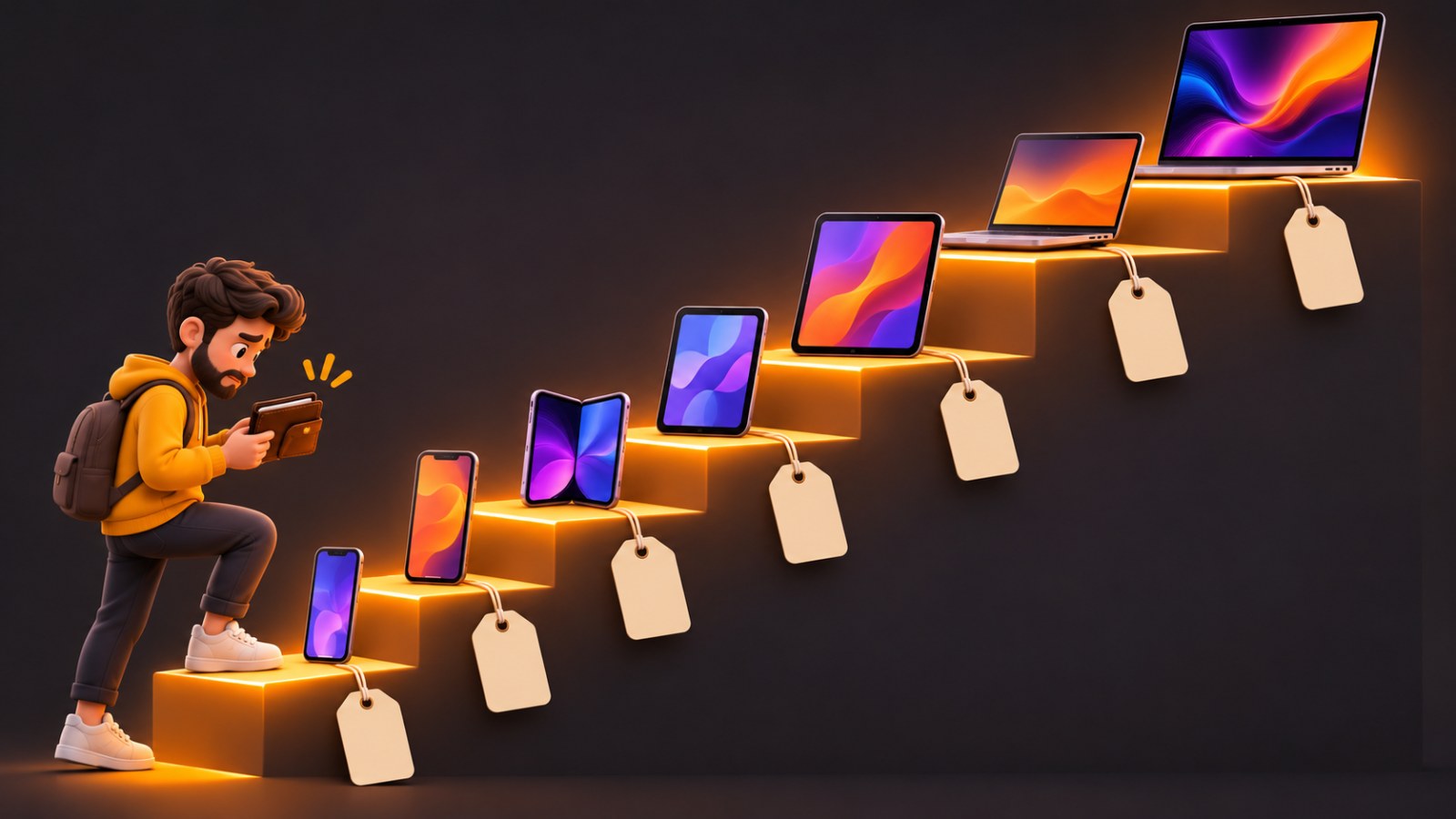
Apple's Price Ladder: How "Just $50 More" Walks You Into the Pricier Model
You go to buy an iPad mini, pick 256GB, and suddenly you're paying more than an iPad Air. We charted every iPhone, iPad and Mac price on Apple's US store to show where the traps are, and when stepping up is actually worth it.
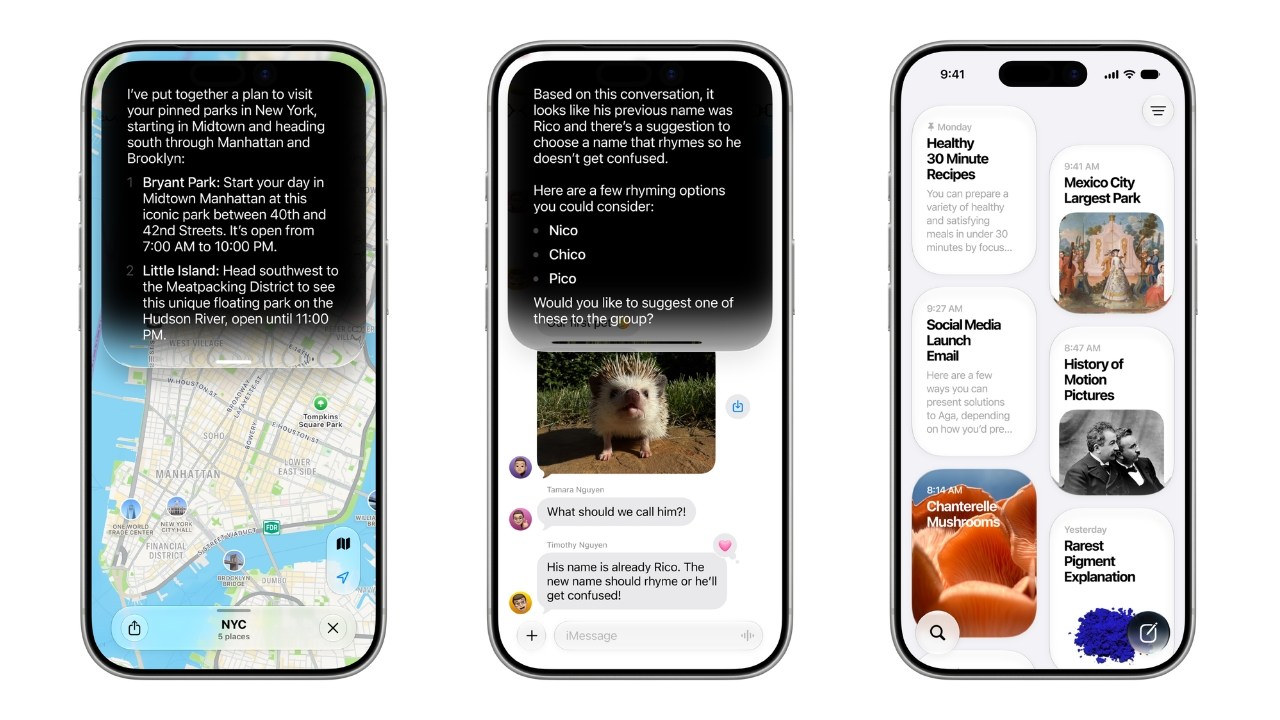
Apple Intelligence Is Coming to China With iOS 27.3, Backed by Alibaba
After more than two years of waiting, Apple says Apple Intelligence will reach iPhone users in China in December, with Alibaba's Qwen model powering parts of Siri.
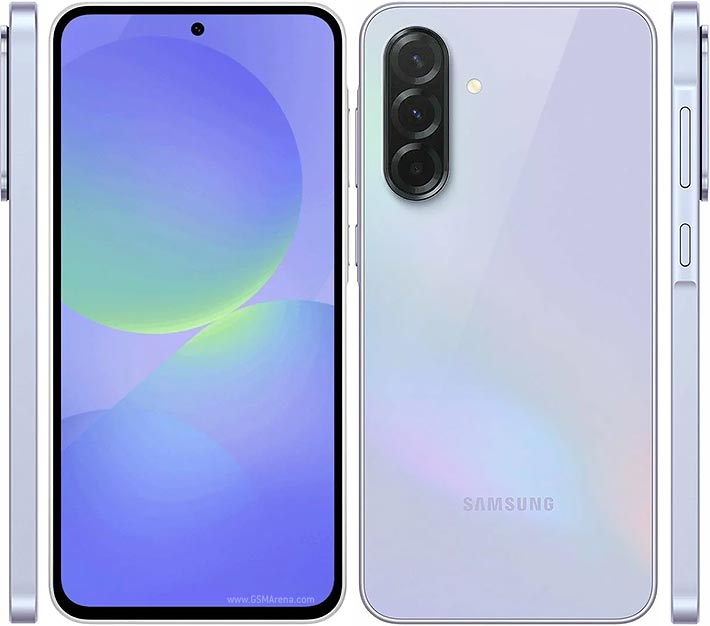
One text can break your phone: Android's 'SMS of Death' explained
A flaw in Android 12 and later lets a specially crafted SMS drop calls and even make a phone unusable. The fix is in October's security patch.

GTA VI lands November 19: prices, editions and what to know
Rockstar has locked the date: Thursday, November 19 on PS5 and Xbox Series X|S. Standard costs $79.99 and Ultimate $99.99.