Harvard study: AI beat two doctors at emergency room diagnoses
OpenAI's o1 gave the exact or near diagnosis in 67% of ER cases at triage, versus 55% and 50% for two physicians, in a study published in Science.
The study
Researchers from Harvard Medical School and Beth Israel Deaconess Medical Center published a study in Science. They compared diagnoses from two internal medicine attending physicians with OpenAI's o1 and 4o models across 76 emergency room patients.
Results at initial triage
| Who | Exact or very close diagnosis |
|---|---|
| OpenAI o1 | 67% |
| Physician 1 | 55% |
| Physician 2 | 50% |
Caveats
- Only text-based inputs were tested, no images or exams.
- The authors stress an "urgent need for prospective trials to evaluate these technologies in real-world patient care settings."
AI is not replacing doctors yet, but it could become a strong assistant.
Founder and editor-in-chief of Kurd Developers. Phone and tech news on YouTube, Instagram and TikTok.
More stories
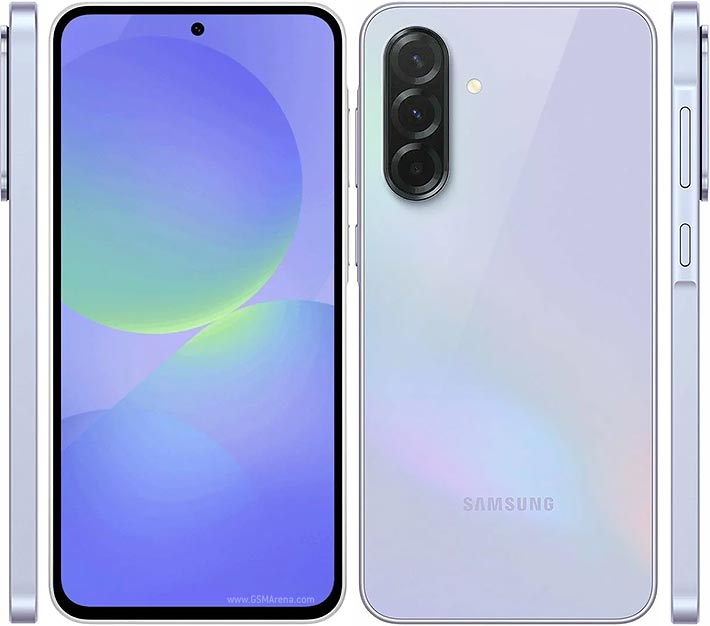
One text can break your phone: Android's 'SMS of Death' explained
A flaw in Android 12 and later lets a specially crafted SMS drop calls and even make a phone unusable. The fix is in October's security patch.
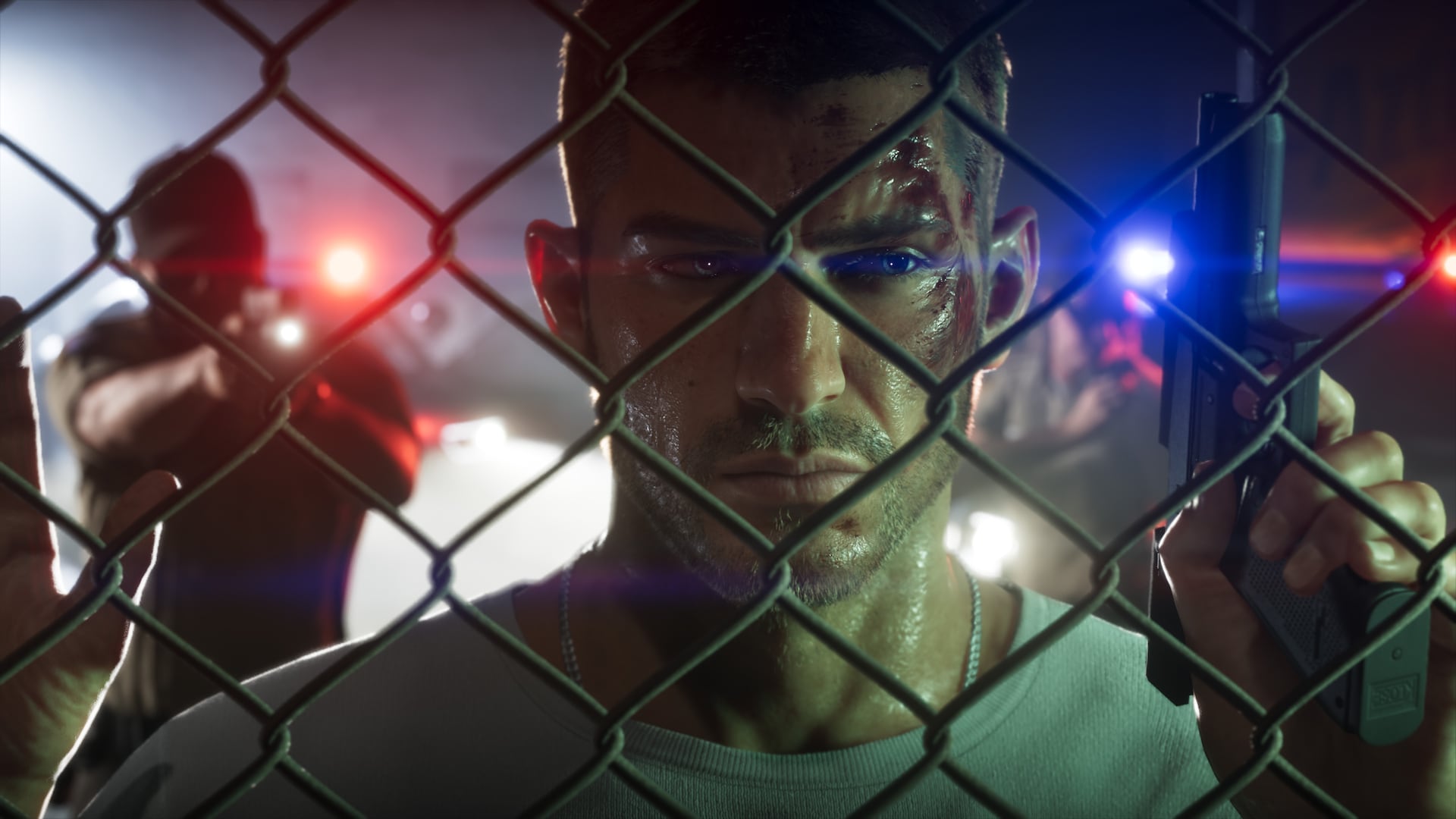
GTA VI lands November 19: prices, editions and what to know
Rockstar has locked the date: Thursday, November 19 on PS5 and Xbox Series X|S. Standard costs $79.99 and Ultimate $99.99.
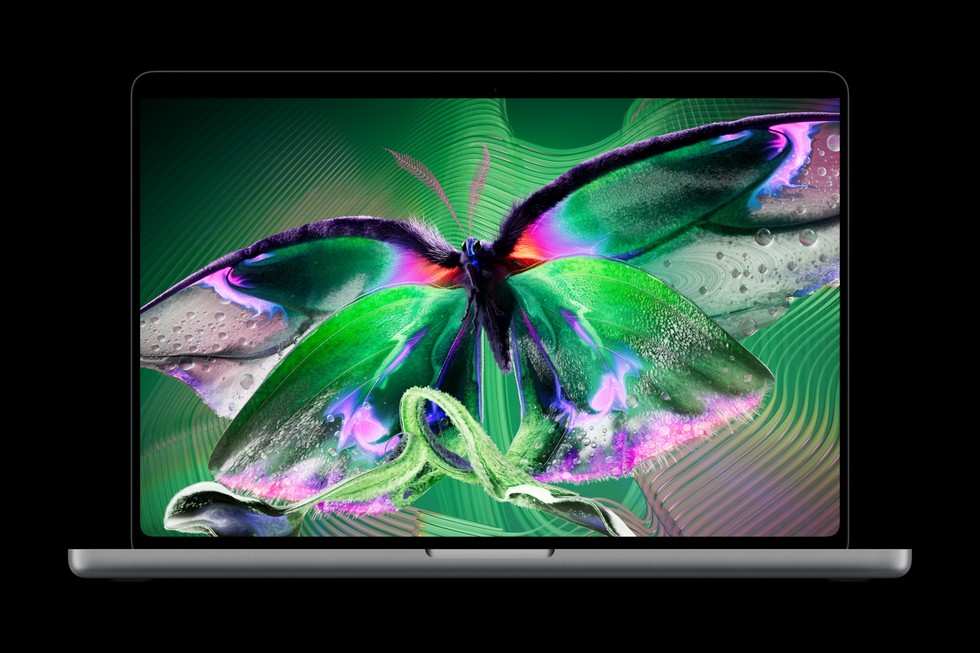
Apple's first touchscreen MacBook Pro brings OLED and Dynamic Island
The new PROLED XDR display responds to touch, the notch is gone and Dynamic Island takes its place. Prices start at $2,899.

The $1,999 iPhone Duo Has a Black-Bar Problem, and Fixing It Is Harder Than It Looks
Apple's first foldable is a hardware flex. But unfold it and many of your apps shrink into a phone-shaped window floating in black. Here's why the app world wasn't ready, and why developers can't just hit "stretch".