Fill with Gemini expands in Sheets: where spreadsheet AI becomes useful
Google announced 11 additional languages on July 7. A July 10 report examines why clear instructions and data ranges matter when generating cell content.

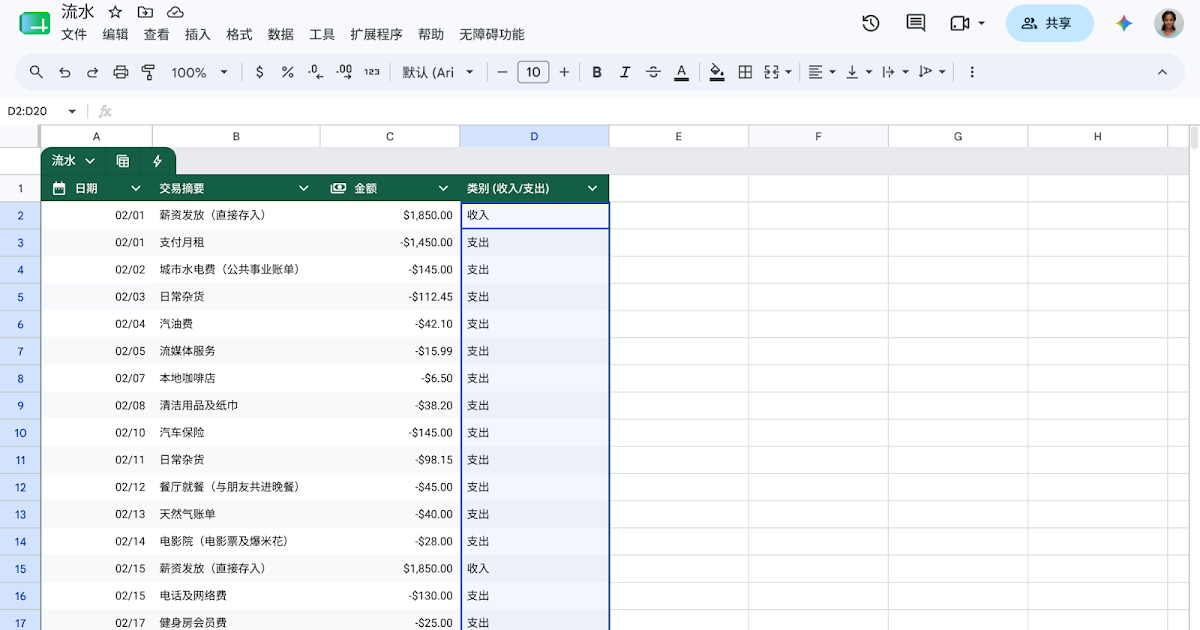
Google announced 11 additional languages for Fill with Gemini and the AI function in Google Sheets on July 7, 2026. The gradual rollout starts that day and may take 15 days to appear. This July 10 report examines the feature’s practical role in spreadsheet work.
A language expansion for an existing feature
Fill with Gemini was introduced earlier in 2026. Its purpose is to let people request text generation, summaries or categorisation and receive results inside spreadsheet cells.
The additions include Turkish, Dutch and Malay. The announcement does not list Arabic or Kurdish among the newly added languages. An expansion count should therefore not be interpreted as confirmation that any particular requested language has just been added.
That distinction matters when evaluating language news. The count describes the scale of an expansion; the presence of the language a team needs determines its relevance to their work.
Instructions and the data range
Google’s AI function guidance describes AI(prompt, range): the prompt specifies the work, while the range supplies the data for it. The difference becomes concrete in an everyday task.
Consider a table of customer messages. “Organise these messages” is broad, while asking for one of three categories—product enquiry, delivery or return—defines a result that can be compared. This is an illustration of prompt design, not a test result from the feature.
The selected cells also need to contain the relevant information. Mixing a comments column with unrelated data makes the result harder to interpret because the team first needs to determine what informed it.
Evaluating the output
A team can start with rows whose contents it already understands. If one message asks about both price and delivery, which category should take priority? Establishing that rule before comparing results makes the evaluation more consistent.
Keeping the original message beside the proposed category can also help a reviewer understand the relationship. That is a workflow suggestion rather than a claim about an additional product feature.
The practical distinction is between filling a cell and completing a task. If the categories feed a report, their meaning needs to be clear to the person reading it. The tool’s usefulness can then be assessed through the work it enables, while language support brings the experience closer to more users.
That is the useful context for the expansion: broader language access to an existing capability, with the instructions and selected data remaining central to interpreting the result.
Founder and editor-in-chief of Kurd Developers. Phone and tech news on YouTube, Instagram and TikTok.
More stories
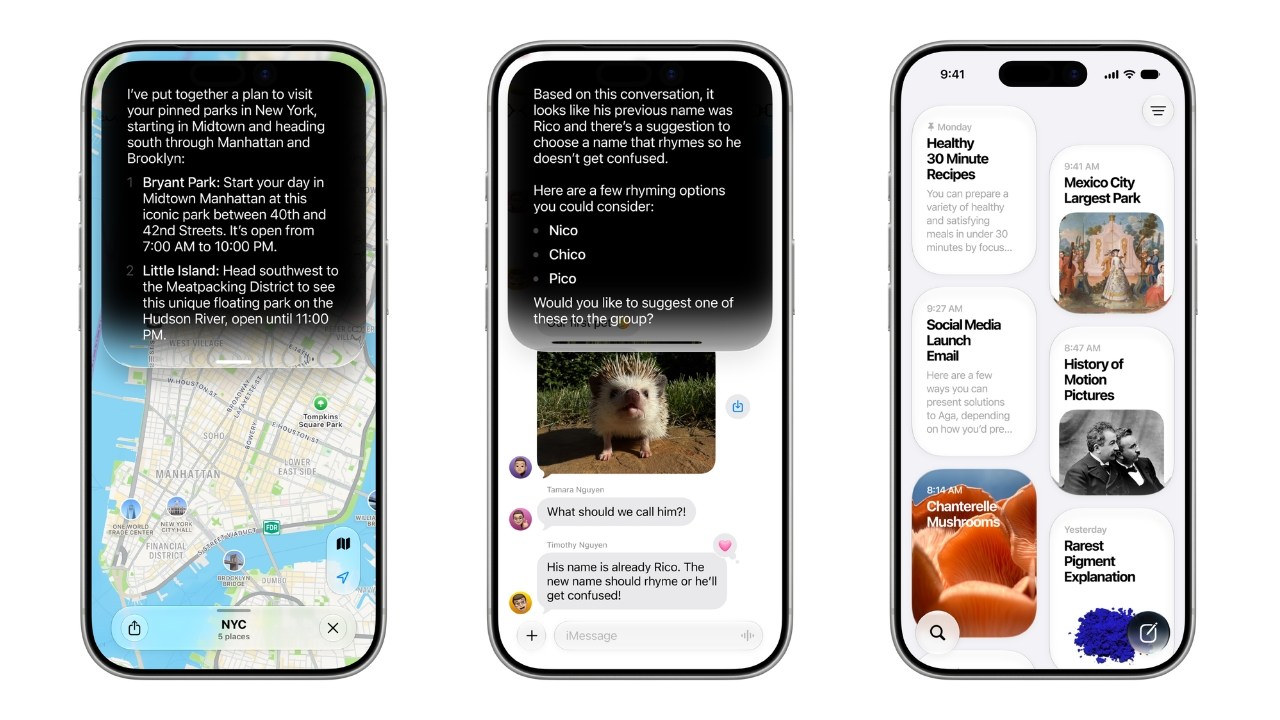
Apple Intelligence Is Coming to China With iOS 27.3, Backed by Alibaba
After more than two years of waiting, Apple says Apple Intelligence will reach iPhone users in China in December, with Alibaba's Qwen model powering parts of Siri.

One text can break your phone: Android's 'SMS of Death' explained
A flaw in Android 12 and later lets a specially crafted SMS drop calls and even make a phone unusable. The fix is in October's security patch.

GTA VI lands November 19: prices, editions and what to know
Rockstar has locked the date: Thursday, November 19 on PS5 and Xbox Series X|S. Standard costs $79.99 and Ultimate $99.99.

Apple's first touchscreen MacBook Pro brings OLED and Dynamic Island
The new PROLED XDR display responds to touch, the notch is gone and Dynamic Island takes its place. Prices start at $2,899.