Google Beam expands to six countries through HP Dimension
Google announced on 23 September that Beam was shipping as HP Dimension with Google Beam in six countries. This report explains what the system does, where it was available, and why its impact figures remain internal company claims.

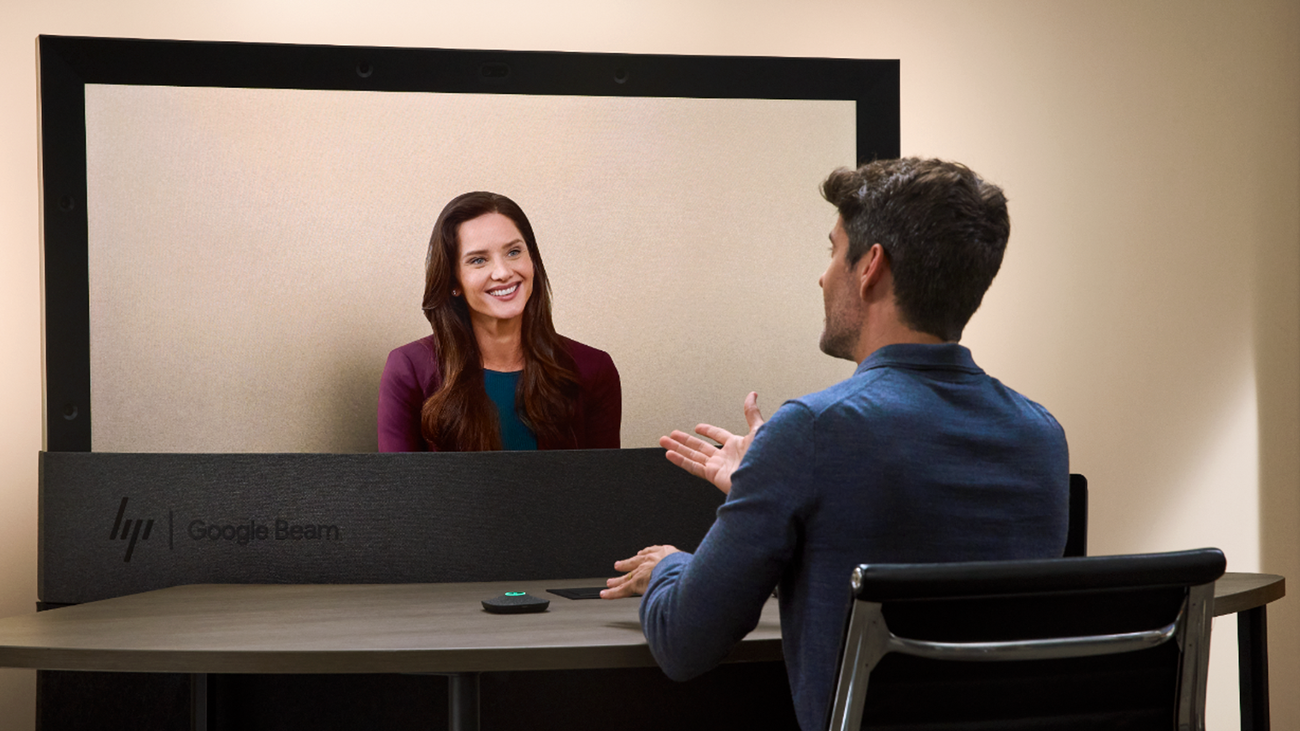
Google announced on 23 September 2026 that Google Beam was shipping to customers as HP Dimension with Google Beam in six countries: the United States, Canada, the United Kingdom, France, Germany and Japan. The company said 18 channel partners were equipped to deploy and support the system.
Google Beam is an enterprise video-meeting platform designed to show a remote participant in three dimensions without requiring a VR headset. HP supplies the hardware as HP Dimension with Google Beam, while the system supports meetings through Google Meet and Zoom.
Availability remains limited
“Six countries” is not a worldwide launch. On 26 September, Iraq and the Kurdistan Region were not among the announced shipping markets. The system also requires a suitable room, installation and support through authorised partners. It is not an ordinary consumer desktop device.
Google also announced a partnership with Industrious to create an extended Beam network. The plan was to make HP Dimension bookable at selected US locations beginning in October, including Atlanta, Chicago, New York City and Palo Alto. On this report’s historical date, that was a future plan rather than an already available service.
How should the impact figures be read?
Google published results from an eight-week internal study. According to the company, teams using Beam felt 50% more connected, found it 33% easier to communicate feedback clearly, and recorded a 21% reduction in the need for follow-up meetings.
Those figures are manufacturer claims based on testing inside Google. They are not independent benchmarks and do not establish that another organisation will obtain the same result. Team culture, meeting type, network quality, room design and how the system is used could all affect the outcome.
Google also described recruitment work with Bain and named early customers including Netflix and Capital Group. These examples show intended enterprise use, but they are not substitutes for independent cost, reliability or productivity testing.
Who is Beam designed for?
The system targets high-value meetings such as recruiting, training and collaboration among teams spread across countries. Its proposed advantage over an ordinary video call is stronger eye contact and a remote participant shown closer to natural scale.
That experience requires specialised hardware, dedicated space and budget. Support for Meet and Zoom does not make Beam a direct replacement for every meeting room; it is an additional option for conversations an organisation considers important enough to justify the setup.
For organisations in Kurdistan, the announcement shows remote collaboration moving beyond software into specialised room hardware. Until local availability, pricing, installation and support are announced, however, Beam should not be presented as a product ready to purchase in the region.
Sources
Founder and editor-in-chief of Kurd Developers. Phone and tech news on YouTube, Instagram and TikTok.
More stories

Apple's Price Ladder: How "Just $50 More" Walks You Into the Pricier Model
You go to buy an iPad mini, pick 256GB, and suddenly you're paying more than an iPad Air. We charted every iPhone, iPad and Mac price on Apple's US store to show where the traps are, and when stepping up is actually worth it.
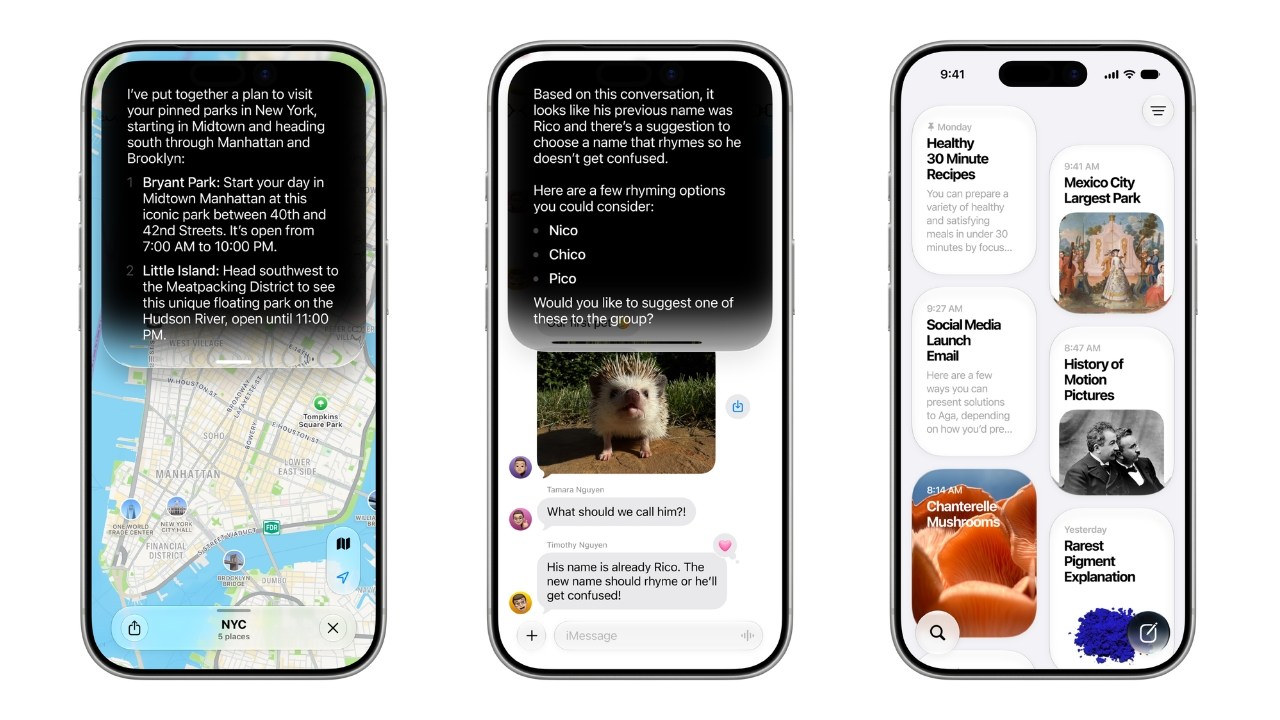
Apple Intelligence Is Coming to China With iOS 27.3, Backed by Alibaba
After more than two years of waiting, Apple says Apple Intelligence will reach iPhone users in China in December, with Alibaba's Qwen model powering parts of Siri.
One text can break your phone: Android's 'SMS of Death' explained
A flaw in Android 12 and later lets a specially crafted SMS drop calls and even make a phone unusable. The fix is in October's security patch.

GTA VI lands November 19: prices, editions and what to know
Rockstar has locked the date: Thursday, November 19 on PS5 and Xbox Series X|S. Standard costs $79.99 and Ultimate $99.99.