Google adds disclosures explaining AI use in advertising
The July 9 announcement adds a section to My Ad Center so viewers can learn more about how an advertisement was made.


Google announced additional AI transparency information for advertising on July 9, 2026. A “How this ad was made” section in My Ad Center will indicate whether an advertisement was created or edited using AI.
Different information for the viewer
The section is accessed through the advertisement’s three-dot menu or information icon. Google’s announcement covers Search, YouTube and Discover.
My Ad Center guidance distinguishes information about who paid for an ad, why it was shown and how it was made. Those answer different questions. Identifying the advertiser does not explain how an image was produced, and knowing AI was used does not explain why a particular person received the ad.
The practical value is additional context while reading an offer. An image may show a product, but understanding the offer also involves its text, terms and seller. Each piece of information has a separate role in the overall picture.
What changes for advertising teams?
Google says it will automatically add disclosures to the panel when advertisers use its generative tools. A control will also let advertisers indicate use of external AI tools.
For example, a team might start with an original product photograph and generate a different background. Documenting the alteration and retaining versions can help colleagues understand the material being published. That is an example of an editorial workflow, rather than an additional platform feature.
Comparing the designed asset, the delivered version and the displayed advertisement can also make a discussion about changes more specific, especially when several people contribute to production.
A visible label and a signal in the content
DeepMind describes SynthID as embedding imperceptible signals in AI-generated content. That differs from information a viewer can open and read in an advertising interface.
One concerns technical information associated with the content; the other presents context to a person. Distinguishing them helps creators understand the difference between what an audience sees and the signals that may accompany a file.
For an advertising team, the task remains making the image, message and production information consistent. Creative work can attract attention, while transparency helps a viewer interpret the offer with more context.
Today’s announcement adds a useful question to that viewing experience: how was this made? It complements questions about the advertiser and product, and is directly relevant to brands and creators incorporating generative tools into their work.
Founder and editor-in-chief of Kurd Developers. Phone and tech news on YouTube, Instagram and TikTok.
More stories
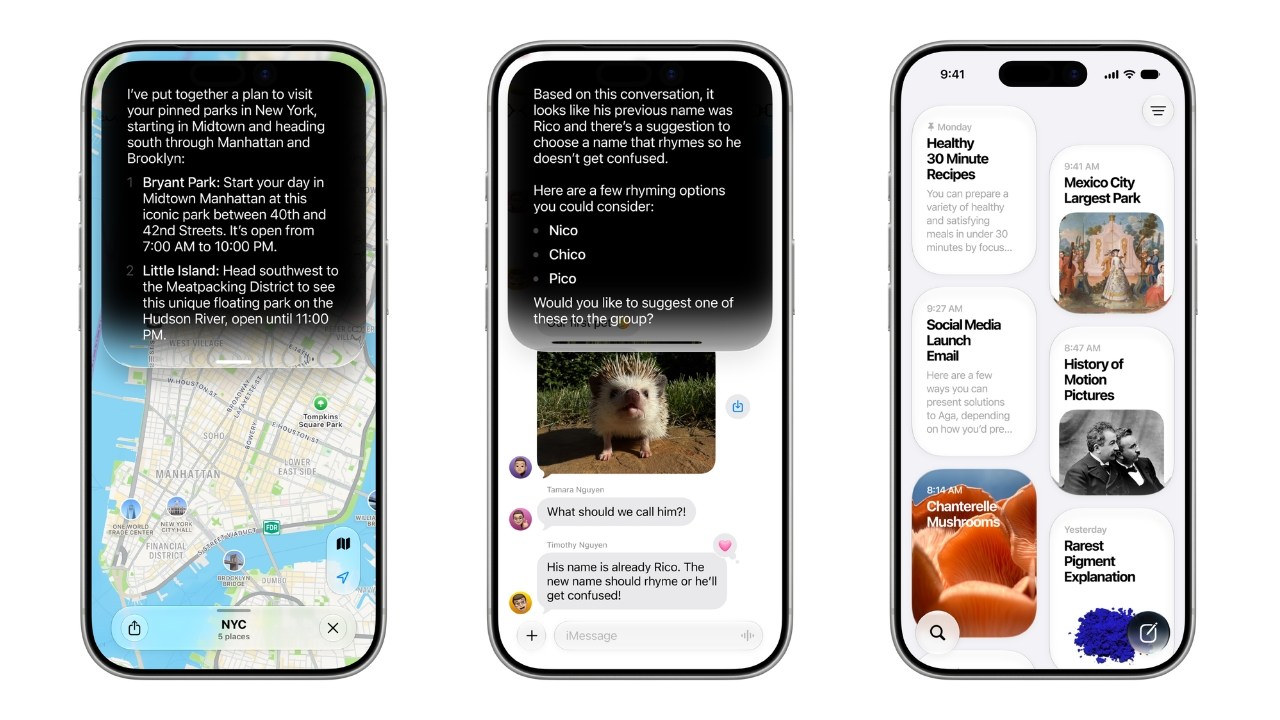
Apple Intelligence Is Coming to China With iOS 27.3, Backed by Alibaba
After more than two years of waiting, Apple says Apple Intelligence will reach iPhone users in China in December, with Alibaba's Qwen model powering parts of Siri.
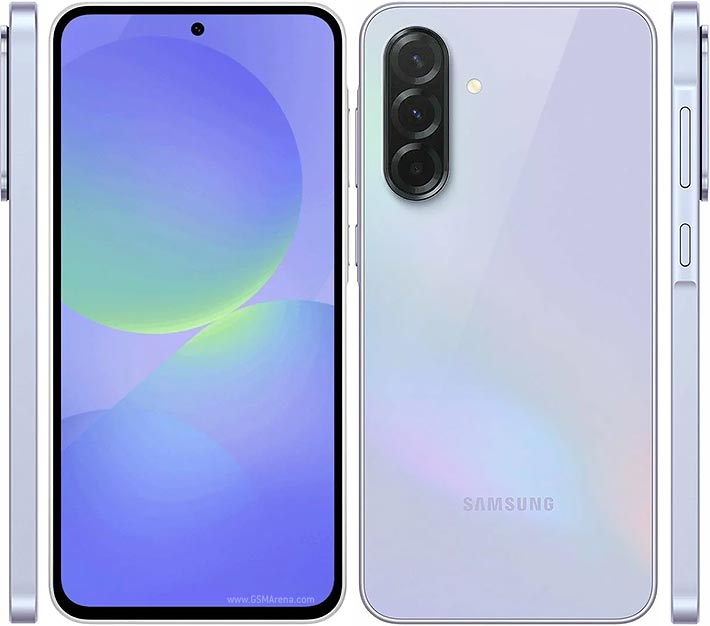
One text can break your phone: Android's 'SMS of Death' explained
A flaw in Android 12 and later lets a specially crafted SMS drop calls and even make a phone unusable. The fix is in October's security patch.

GTA VI lands November 19: prices, editions and what to know
Rockstar has locked the date: Thursday, November 19 on PS5 and Xbox Series X|S. Standard costs $79.99 and Ultimate $99.99.
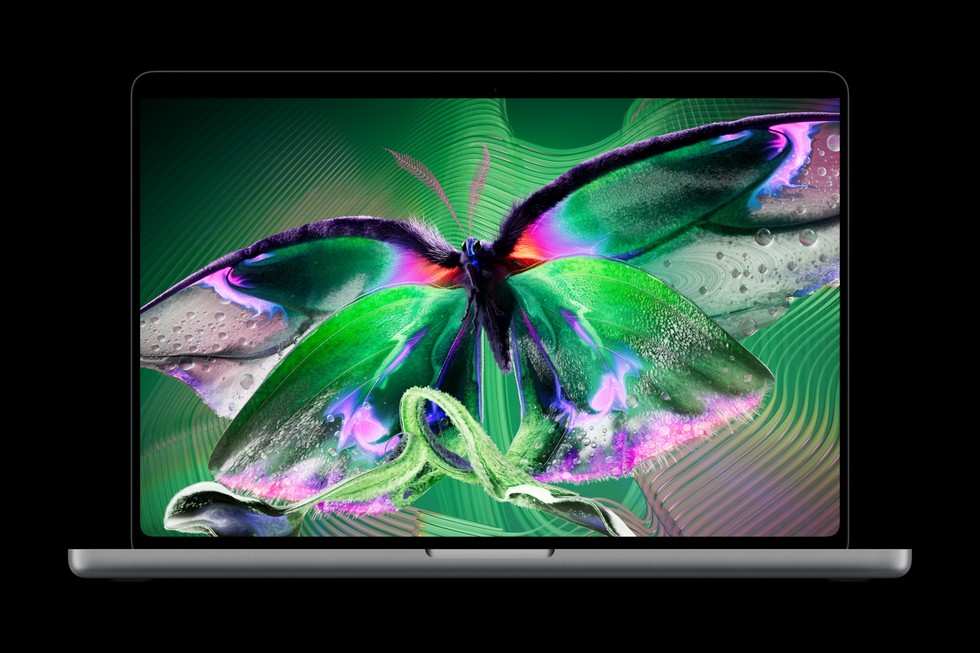
Apple's first touchscreen MacBook Pro brings OLED and Dynamic Island
The new PROLED XDR display responds to touch, the notch is gone and Dynamic Island takes its place. Prices start at $2,899.