Gemini Spark reaches Mac as Google expands connected workflows
Google began the macOS rollout on June 30. A July 1 look at the beta separates available desktop work from remote-control features still to come.

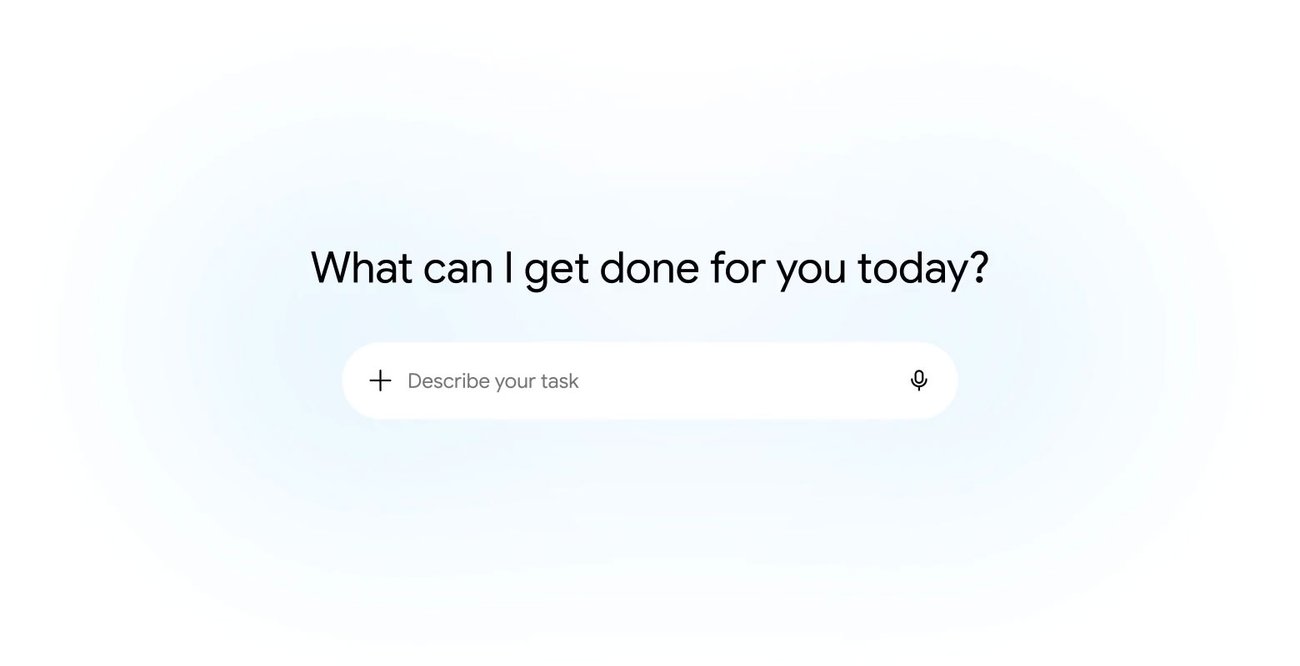
Google announced Gemini Spark for the Gemini macOS app on June 30, 2026, extending the agent’s role into local files and desktop work. This July 1 report examines the announced capabilities and distinguishes them from functions still described as forthcoming.
From answering to completing work
Google’s release notes describe organising folders, using local files to build documents and handling workflows across Google Workspace. The Mac announcement identifies an initial beta for Google AI Ultra subscribers aged 18 and over, starting in the United States.
Those conditions matter to readers in Iraq and Kurdistan. A feature announcement does not establish availability for every account in every country. Similarly, a subscription name alone does not confirm access to every capability discussed around a product.
The practical difference appears in the result an agent leaves behind. A request to organise files by client needs an understandable outcome: which files changed, and where were they placed? A clear conversational answer is useful, but the organised folder is what the user will return to the next working day.
Connecting applications with MCP
Google also announced expanded service connections and custom MCP support. The MCP architecture specification describes servers exposing resources and tools, with the host application coordinating connections and access boundaries.
Consider a team requesting information from one system and recording a result in another within one workflow. That illustrates the purpose of a connection; the actual operations depend on what each server exposes and how the host coordinates them.
For a web developer, the useful question is whether the required operation exists. Reading project data, creating a record and updating an existing record are different capabilities. A connection does not make them interchangeable. Describing each operation clearly helps turn a broad request into work that can be checked.
What remains forthcoming?
The release notes describe assigning Mac work remotely from the web or mobile app as coming soon. It should therefore be excluded from an assessment of completed capabilities at this historical point.
A useful evaluation starts with a small task and an explicit outcome, then compares the result with the original request. The number of steps an agent performs is not a sufficient measure of usefulness. What matters is whether the work is complete and whether the user can find, understand and use the output.
That makes the test concrete: can someone continue their working day from the result? It is a more practical measure than simply watching an agent move between applications.
Founder and editor-in-chief of Kurd Developers. Phone and tech news on YouTube, Instagram and TikTok.
More stories
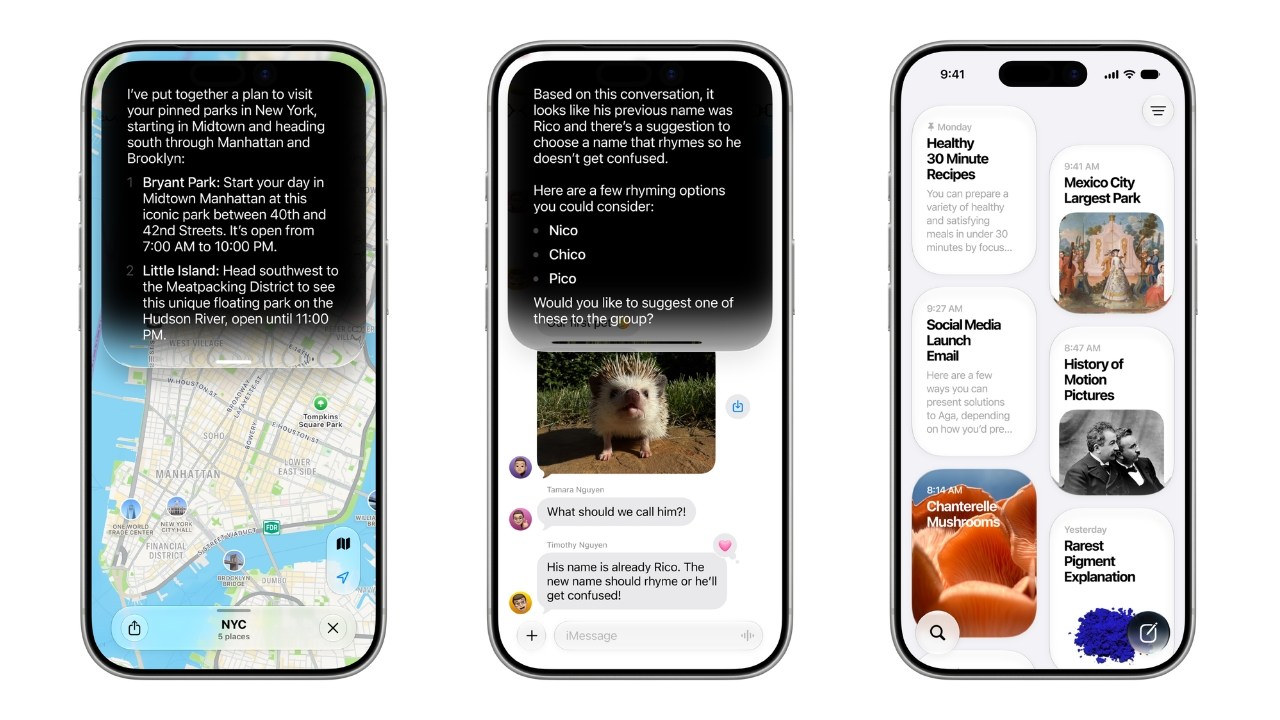
Apple Intelligence Is Coming to China With iOS 27.3, Backed by Alibaba
After more than two years of waiting, Apple says Apple Intelligence will reach iPhone users in China in December, with Alibaba's Qwen model powering parts of Siri.

One text can break your phone: Android's 'SMS of Death' explained
A flaw in Android 12 and later lets a specially crafted SMS drop calls and even make a phone unusable. The fix is in October's security patch.

GTA VI lands November 19: prices, editions and what to know
Rockstar has locked the date: Thursday, November 19 on PS5 and Xbox Series X|S. Standard costs $79.99 and Ultimate $99.99.
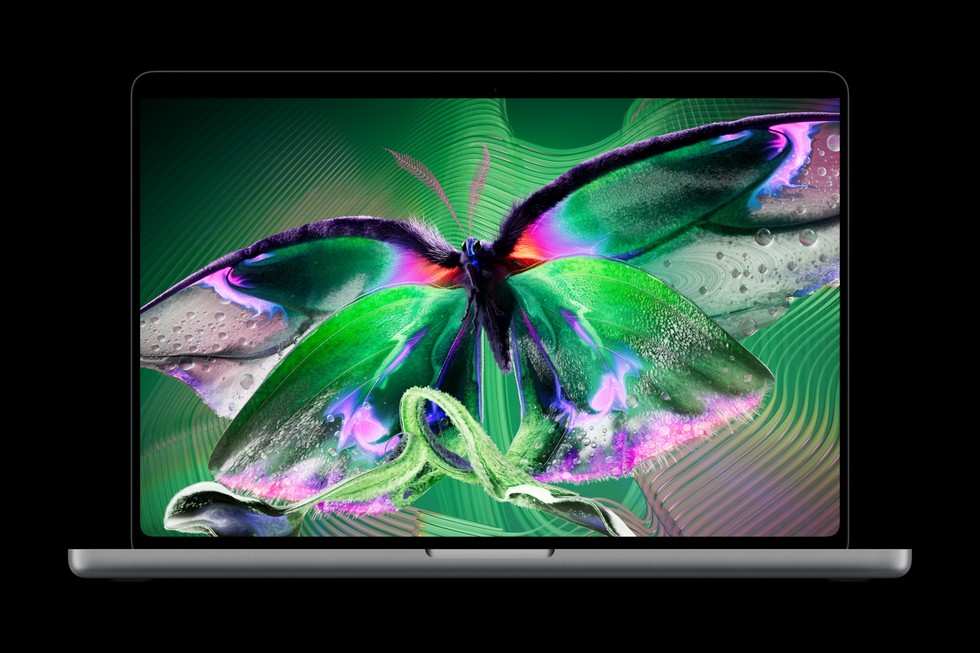
Apple's first touchscreen MacBook Pro brings OLED and Dynamic Island
The new PROLED XDR display responds to touch, the notch is gone and Dynamic Island takes its place. Prices start at $2,899.