Gemini Spark integrates with Chrome for multi-step web tasks
Google’s July 30 announcement separates broader Spark access from the initial US rollout of Chrome auto browse. Defining the intended outcome and user handoff points helps make the capability understandable.

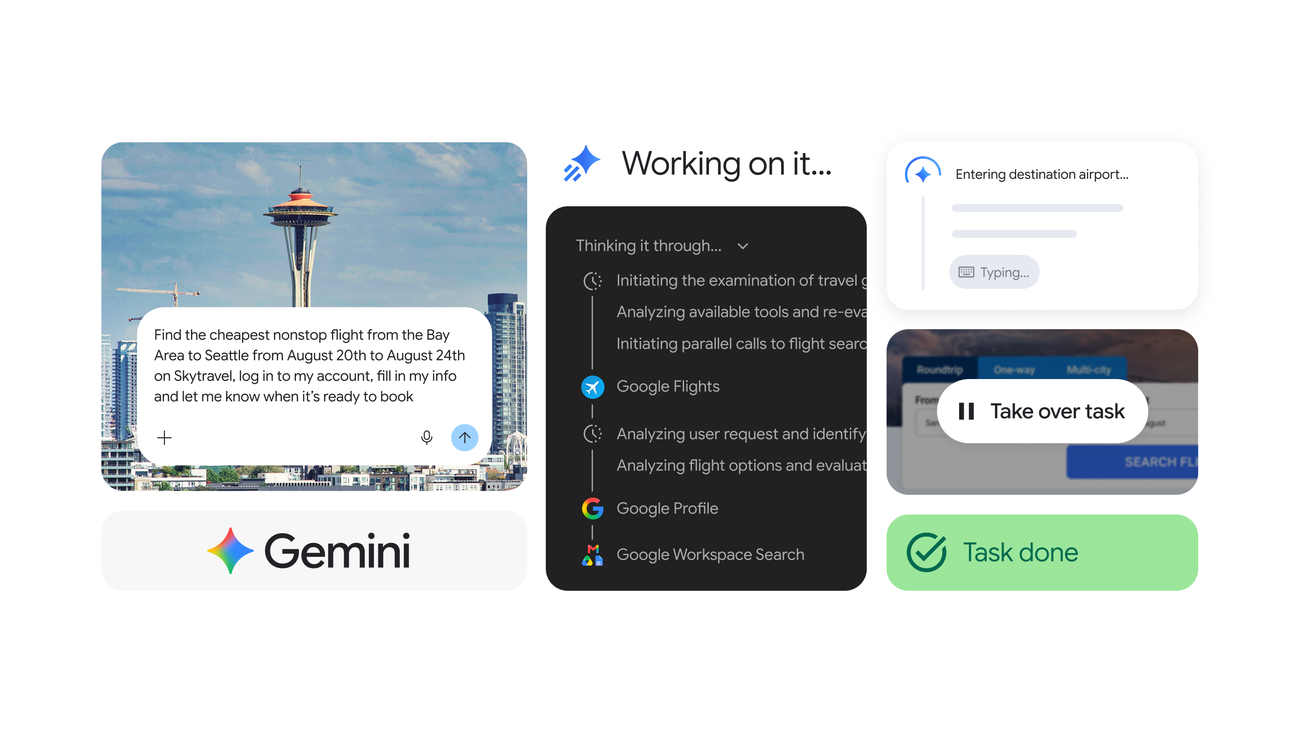
Google announced Gemini Spark integration with Chrome on July 30, 2026. Chrome auto browse is initially rolling out in the United States, while Spark access expands to Google AI Pro subscribers in more than 160 additional countries.
The two availability statements need to be read separately. Spark access in a country does not itself establish access to every Chrome auto browse capability there.
From searching to a multi-step task
Consider comparing options for a trip. The work might involve opening pages, choosing dates, reading conditions and gathering results. The practical question is what outcome the user wants from those steps.
Is the deliverable a comparison table, or reaching a particular stage in a booking form? Defining the endpoint helps establish whether the task is complete.
In an illustrative evaluation, each option could include its price, dates, conditions and source link. This makes the result easier to review because the user can return to the relevant page.
Identifying an option with missing information is useful too. A clear description of what remains unresolved allows the task to continue from a known point.
Permission and returning control
Google says Spark can use signed-in accounts with the user’s permission, handing control back for sensitive actions such as payments.
For an application of this kind, showing the current and next steps becomes important. Users need to understand what has finished and what still requires their decision.
In the travel example, reaching a booking form and completing payment are different outcomes. A user-journey test can examine whether those states are presented clearly and whether the relevant information appears at the right moment.
Returning to an interrupted task provides another useful evaluation: can the user see where work stopped and review the options before continuing?
Page content and the user’s goal
Google’s December 2025 technical background discusses prompt injection and checking whether proposed actions match a user’s goal. It provides earlier context for the challenges involved in agentic browsing.
For a user, a practical measure is whether the result completes the intended task, with clear sources and identifiable points for decisions requiring their involvement.
The integration’s significance is that it brings an AI tool into the web workflow itself. Reading the availability boundaries alongside a clear description of the completed outcome helps set expectations for what users can request and review.
Sources
Founder and editor-in-chief of Kurd Developers. Phone and tech news on YouTube, Instagram and TikTok.
More stories
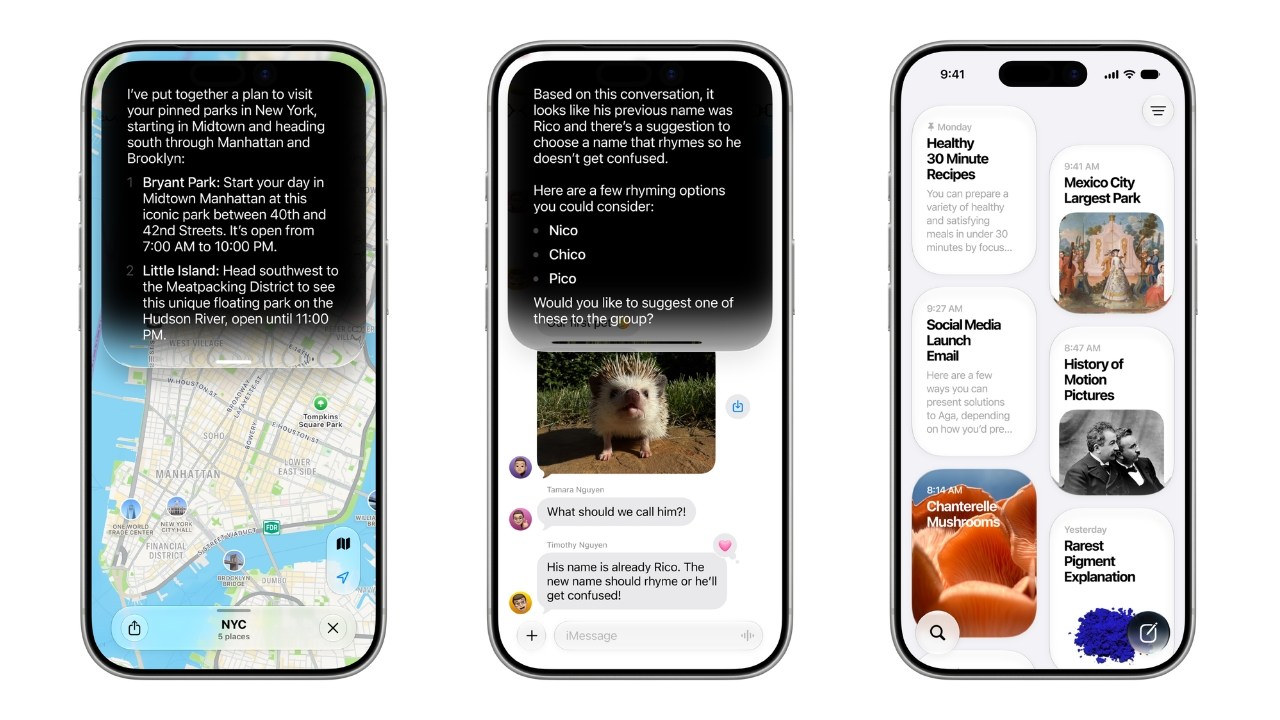
Apple Intelligence Is Coming to China With iOS 27.3, Backed by Alibaba
After more than two years of waiting, Apple says Apple Intelligence will reach iPhone users in China in December, with Alibaba's Qwen model powering parts of Siri.

One text can break your phone: Android's 'SMS of Death' explained
A flaw in Android 12 and later lets a specially crafted SMS drop calls and even make a phone unusable. The fix is in October's security patch.

GTA VI lands November 19: prices, editions and what to know
Rockstar has locked the date: Thursday, November 19 on PS5 and Xbox Series X|S. Standard costs $79.99 and Ultimate $99.99.

Apple's first touchscreen MacBook Pro brings OLED and Dynamic Island
The new PROLED XDR display responds to touch, the notch is gone and Dynamic Island takes its place. Prices start at $2,899.