China's AI Bubble Bursts: $480 Billion Wiped Out
China's STAR50 index of AI and chip companies fell 40% in under four months, erasing roughly $480 billion in market value.

· 1 min read
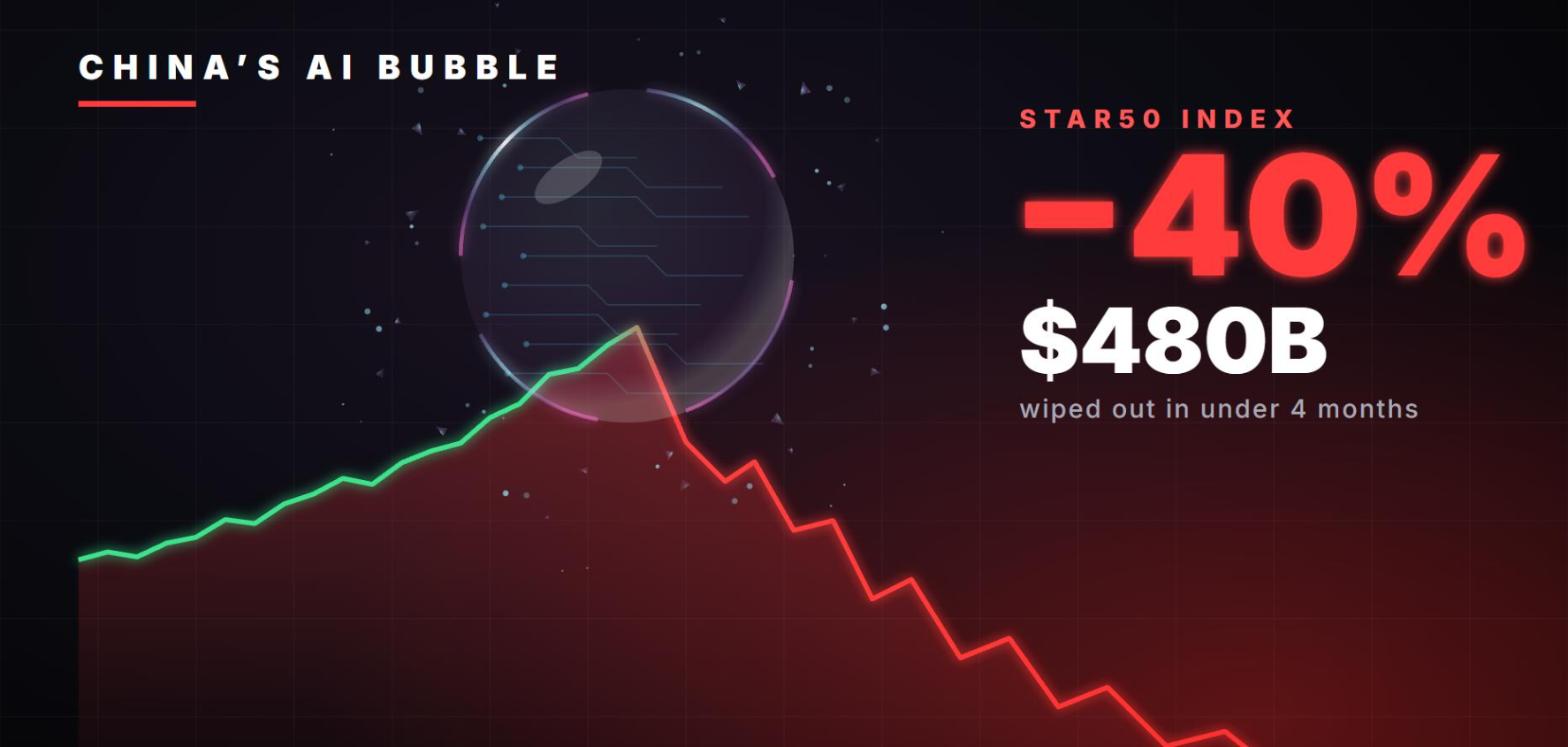
When researching artificial intelligence in China, no story stands out more right now than the "AI bubble." Shares of Chinese companies building AI and chips have suffered a sharp sell-off on the stock market.
What happened?
According to Reuters, the STAR50 index — which tracks leading AI and semiconductor companies on the Shanghai stock exchange — has fallen 40% from its July peak in less than four months, wiping out roughly $480 billion in market value. Companies such as Unitree, CXMT and MetaX were among the hardest hit.
What does this mean?
The crash exposes a wide gap between the money that poured into China's AI sector and the profits it can realistically generate. One reason: companies like DeepSeek, Alibaba, Moonshot AI and MiniMax have bet on open models offered for free or at very low prices, which makes it hard to turn them into revenue.
Retail investors absorbed a large share of the losses, and foreign investors have also pulled money out of the sector. Funding hasn't dried up entirely, though: DeepSeek recently raised $15 billion in one of the largest funding rounds in China's history.
What is the global impact?
For comparison, the US Nasdaq is only about 6% below its record high. China's experience is now a live example of the risks of AI valuations running ahead of real profits, and it may push companies and investors worldwide to be more cautious and take the necessary precautions.
Sources
Azad Khorsheed is a software developer and project manager based in the Kurdistan Region of Iraq. He builds web and mobile systems with Laravel and React, with a focus on Arabic and Kurdish (RTL) interfaces. Here he writes about programming and lessons from real-world projects.
More stories
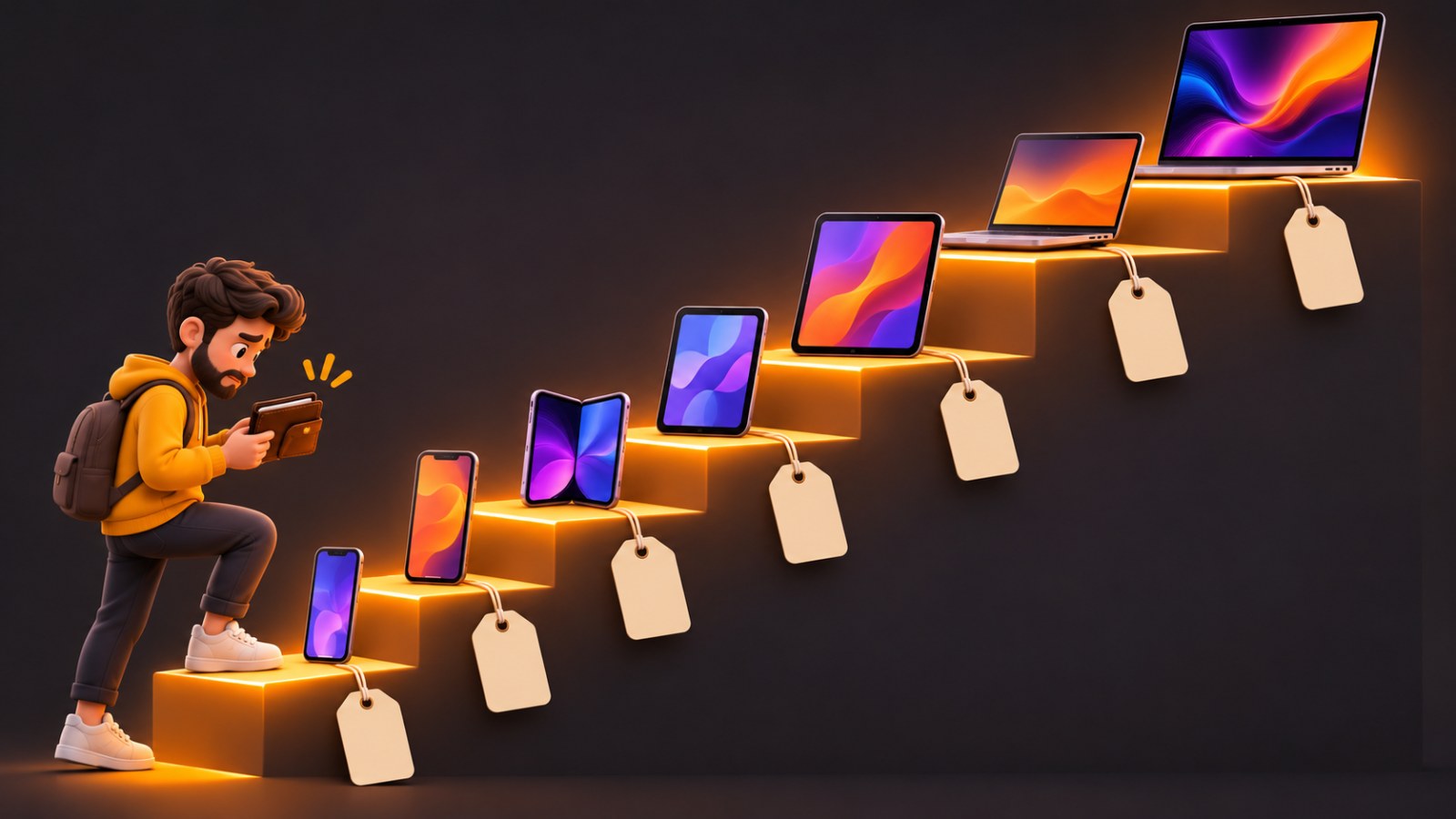
Apple's Price Ladder: How "Just $50 More" Walks You Into the Pricier Model
You go to buy an iPad mini, pick 256GB, and suddenly you're paying more than an iPad Air. We charted every iPhone, iPad and Mac price on Apple's US store to show where the traps are, and when stepping up is actually worth it.
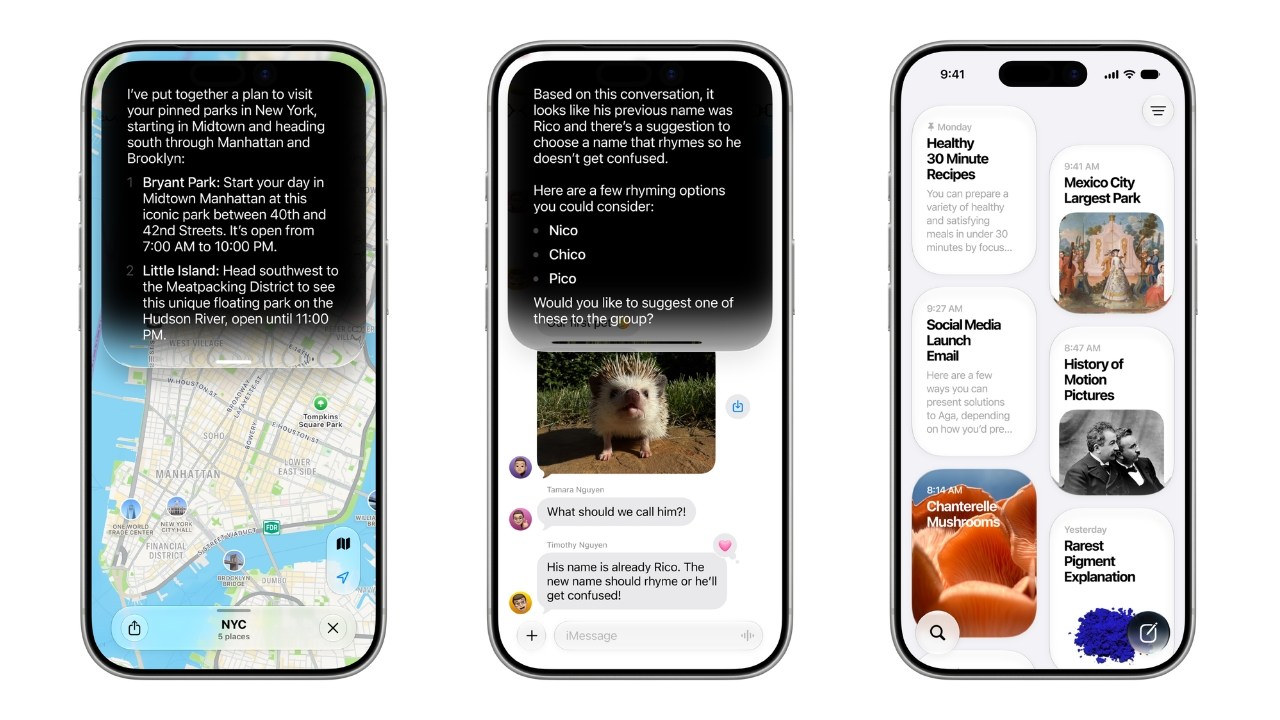
Apple Intelligence Is Coming to China With iOS 27.3, Backed by Alibaba
After more than two years of waiting, Apple says Apple Intelligence will reach iPhone users in China in December, with Alibaba's Qwen model powering parts of Siri.
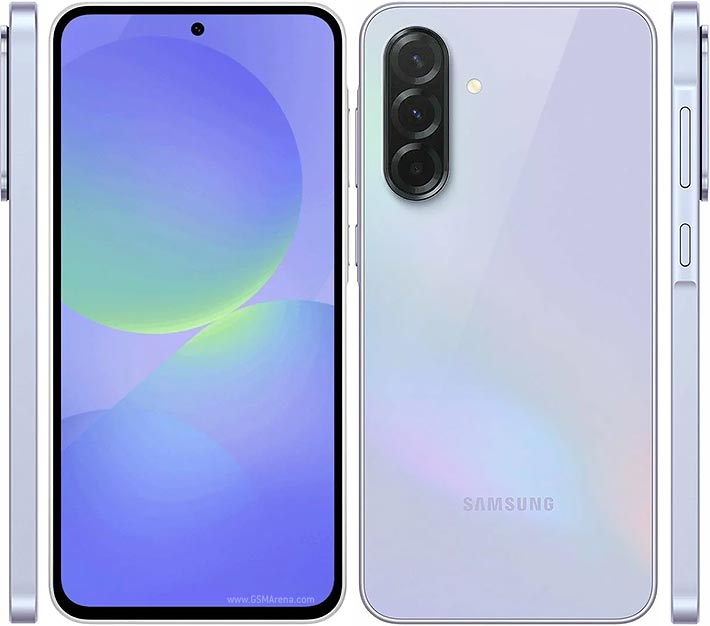
One text can break your phone: Android's 'SMS of Death' explained
A flaw in Android 12 and later lets a specially crafted SMS drop calls and even make a phone unusable. The fix is in October's security patch.
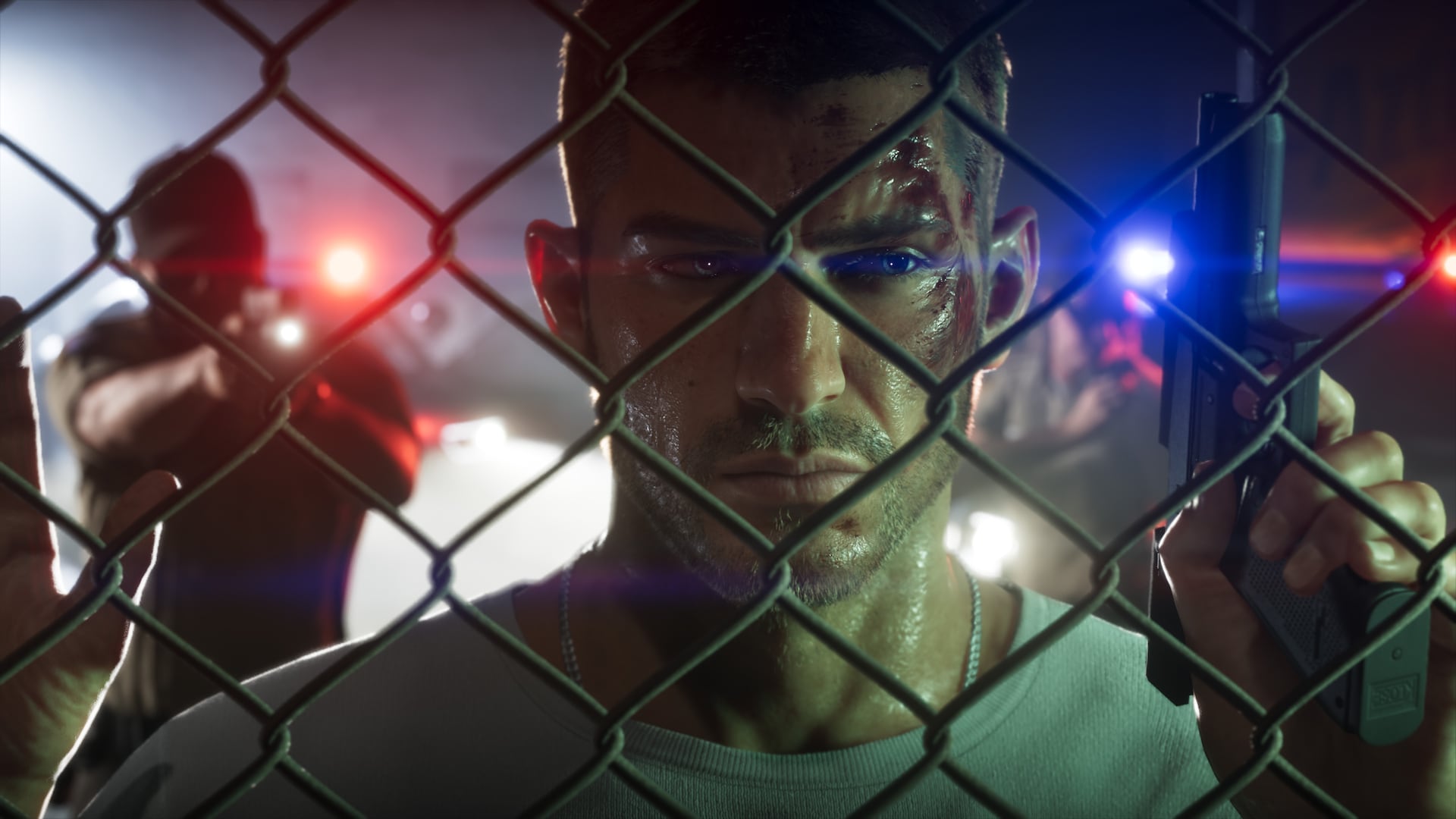
GTA VI lands November 19: prices, editions and what to know
Rockstar has locked the date: Thursday, November 19 on PS5 and Xbox Series X|S. Standard costs $79.99 and Ultimate $99.99.