Microsoft details DeadLock ransomware’s decentralised extortion infrastructure
The August 10 analysis highlights a threat that extends beyond encrypted files. Recovery planning needs to distinguish restoring operations from assessing stolen information.


Microsoft published a DeadLock ransomware analysis on August 10, 2026. The operation combines file encryption with threats to expose stolen data. Researchers describe its use of Session messaging and blockchain-backed services to support parts of its communications infrastructure.
Resilience does not mean invulnerability
Microsoft assesses that the design may make portions of the infrastructure more resilient to disruption. However, it still depends on off-chain services. Using blockchain is therefore not evidence that the operation is impossible to interrupt.
For an affected organisation, the practical distinction is between losing access to information and losing control over its confidentiality. Those are separate problems, even when they arise during the same incident.
A company might restore an operational system while still needing to establish what information left its environment. Treating the return of working files as the end of the investigation would confuse those two questions.
This is the wider significance of double extortion: the recovery of a service and the assessment of data exposure need their own evidence and responsibilities.
Backups address one part of the problem
Earlier MS-ISAC guidance associated with the 2023 StopRansomware update emphasises offline, encrypted backups and a practised incident-response plan. This is established defensive background, rather than a new DeadLock finding.
A recoverable copy can help address the loss of access to files. It cannot undo the theft of information if that theft has already occurred. Recovery planning should therefore distinguish restoring systems from understanding exposure.
For management, that means knowing which information is sensitive and which accounts can reach it before an incident. During a disruption, a clear picture of those responsibilities provides a more useful starting point than trying to reconstruct ownership from scratch.
Small teams need a workable plan
The same MS-ISAC guidance discusses multi-factor authentication for remote access and network segmentation as overlapping defences. Their purpose is to reduce the chance that one weakness exposes the entire environment.
A small team also needs a comprehensible response process: who makes decisions, who investigates and in what order services should return. A long list of products without those responsibilities does not answer the operational question.
The DeadLock analysis illustrates why confidentiality and business continuity should be considered together. The specific findings here are attributed to Microsoft. They are not presented as evidence that any local organisation has been attacked, or as findings from an examination we performed.
Sources
Founder and editor-in-chief of Kurd Developers. Phone and tech news on YouTube, Instagram and TikTok.
More stories

A phone that lasts a week on one charge? Honor is reportedly preparing a 14,000mAh battery
According to a leak, Honor is preparing a 14,000 to 15,000mAh battery and expects the phone to last up to a week. So how does a battery that big fit inside a normal phone?

China's AI Bubble Bursts: $480 Billion Wiped Out
China's STAR50 index of AI and chip companies fell 40% in under four months, erasing roughly $480 billion in market value.

Apple's Price Ladder: How "Just $50 More" Walks You Into the Pricier Model
You go to buy an iPad mini, pick 256GB, and suddenly you're paying more than an iPad Air. We charted every iPhone, iPad and Mac price on Apple's US store to show where the traps are, and when stepping up is actually worth it.
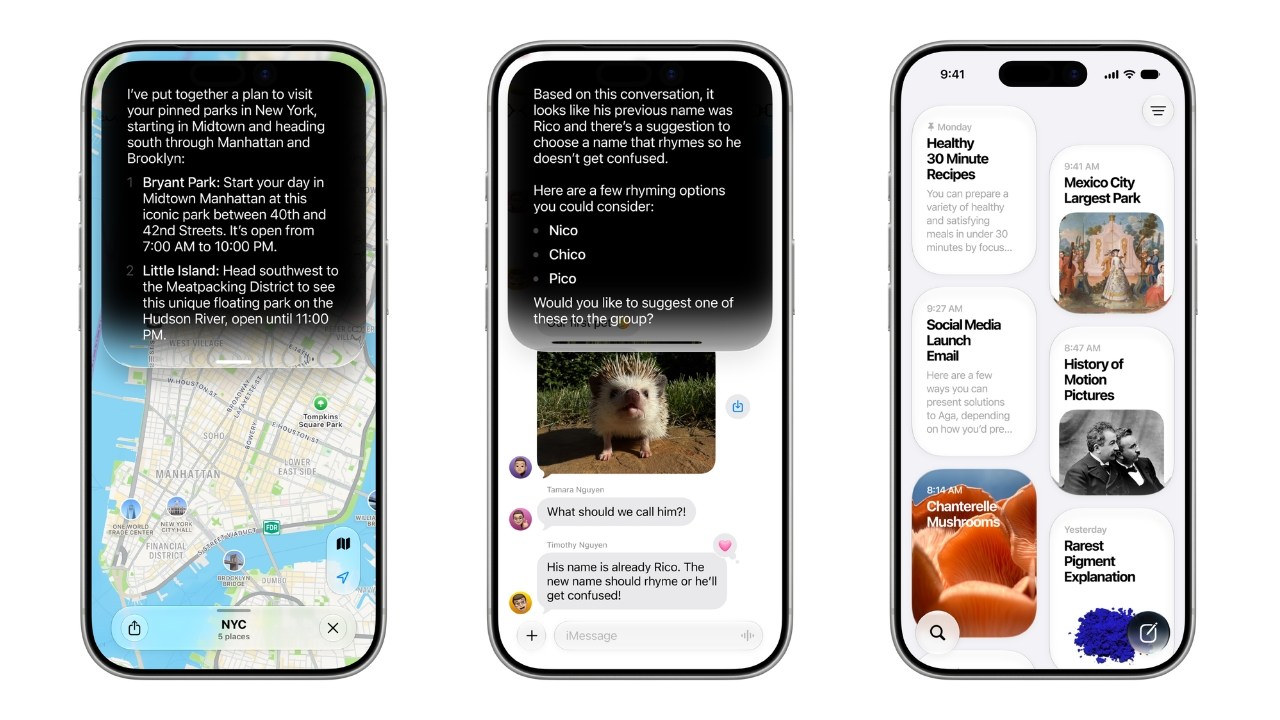
Apple Intelligence Is Coming to China With iOS 27.3, Backed by Alibaba
After more than two years of waiting, Apple says Apple Intelligence will reach iPhone users in China in December, with Alibaba's Qwen model powering parts of Siri.